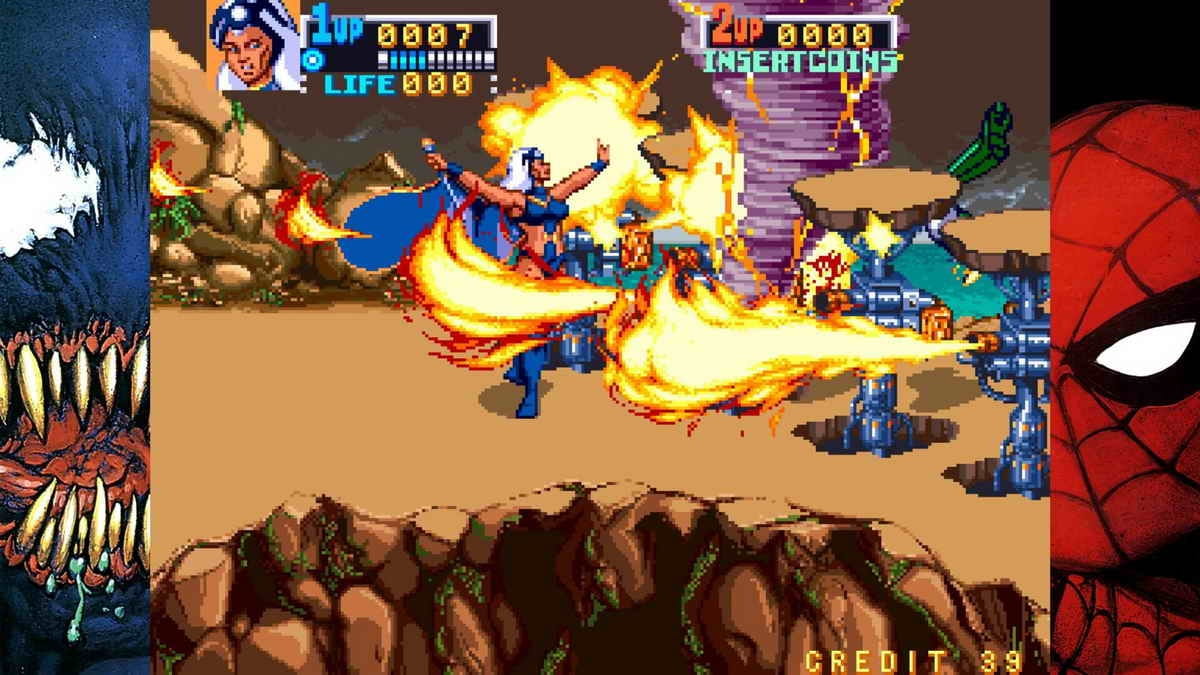
MARVEL MaXimum Collection, published by Limited Run Games, positions itself less as a traditional compilation and more as a curated archive of Marvel’s early gaming history, pulling together a wide spectrum of titles from arcade cabinets to 8-bit, 16-bit and even portable systems. Rather than focusing on a single era or genre, the collection embraces the fragmented and often inconsistent nature of licensed games from the ’90s, resulting in a package that feels both expansive and uneven. What emerges is a nostalgic time capsule that captures the ambition and limitations of its source material in equal measure, offering a broad look at how Marvel properties were adapted across vastly different hardware back in the day.
With strong arcade roots, the narrative component across the collection is predictably light, with most titles relying on loose adaptations of comic arcs or simple “heroes versus villains” setups. Games like Maximum Carnage and Separation Anxiety attempt to ground themselves in recognizable storylines, while others, such as X-Men: The Arcade Game, prioritize spectacle and cooperative chaos over storytelling depth. This inconsistency reflects the era’s design priorities, where gameplay loops often took precedence over narrative cohesion. As a result, the collection feels more like an anthology of moments than a unified narrative experience, which can either enhance its charm or highlight its lack of continuity depending on expectations.
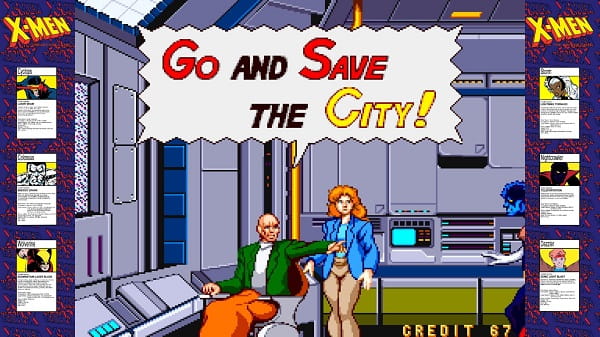
Gameplay is where the compilation’s diversity becomes both its greatest strength and its most noticeable flaw. The inclusion of multiple versions of the same game – across arcade, console, and handheld formats – offers an intriguing comparative lens, showcasing how design compromises and creative reinterpretations shaped each iteration, although back then a home conversation rarely compared favorably to an arcade game. Beat-’em-ups like X-Men and Captain America and The Avengers remain immediately accessible and enjoyable, especially in multiplayer contexts, while more experimental or notoriously difficult titles like Silver Surfer can feel dated and punishing. The variation keeps the experience fresh but also introduces sharp quality fluctuations, making it clear that not every game has aged gracefully.
Controls generally hold up well, particularly in the arcade-focused titles where responsiveness was critical, but some console and portable entries reveal their age through stiffness or imprecision. Platforming sections in games like Arcade’s Revenge can feel especially unforgiving, with design choices that lean toward trial-and-error rather than skill-based progression. The addition of modern features such as rewind, save states, and cheat options significantly mitigates these frustrations, effectively smoothing out rough edges without fundamentally altering the original mechanics. These quality-of-life improvements are essential in making the collection approachable for modern players, even if they occasionally underscore the limitations of the source material.
Visually, the collection is a celebration of pixel art across multiple hardware generations, and the ability to switch between display options – ranging from clean, modern outputs to CRT-inspired filters – enhances that appreciation. Arcade titles in particular still impress with their vibrant sprites and fluid animations, while 8-bit and portable versions naturally show more constraints. The contrast between versions is part of the appeal, offering insight into how developers adapted iconic characters to different technical environments. At the same time, not all visual styles have aged equally well, and some entries can appear rudimentary or cluttered by today’s standards.
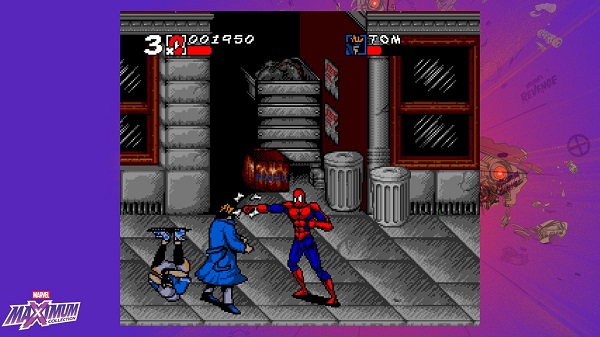
Audio follows a similar trajectory, with standout moments that highlight the era’s creativity alongside more repetitive or limited compositions. The inclusion of a dedicated music player is a welcome addition, allowing players to revisit memorable tracks outside of gameplay. Certain soundtracks – particularly in 16-bit titles – retain a strong identity and energy, while others fade into the background. As with the visuals, the range in quality reinforces the archival nature of the collection, presenting both the highs and lows of retro game audio design.
Performance on PlayStation 5 is stable, with smooth emulation and minimal technical issues, ensuring that the focus remains on the games themselves rather than the framework surrounding them. Features like online multiplayer for X-Men: The Arcade Game add a meaningful modern layer, though their appeal is somewhat limited by the scope of the overall package. The archival extras, including scanned materials and bonus content, contribute to the sense that this is as much a preservation effort as it is a playable collection, even if some players may find themselves wishing for more contextualization or behind-the-scenes insights.
Ultimately, MARVEL MaXimum Collection succeeds as a historical compilation rather than a consistently engaging gameplay package. Its breadth is impressive, and its commitment to preserving multiple versions of each title adds genuine value, but the inherent inconsistencies of the source material are impossible to ignore. For longtime fans and retro enthusiasts, it offers a rich, nostalgia-driven experience with enough modern conveniences to remain accessible. For others, its appeal may hinge on a tolerance for dated design and an appreciation for gaming history in all its uneven glory.
Score: 7.5/10
 Press Play Media