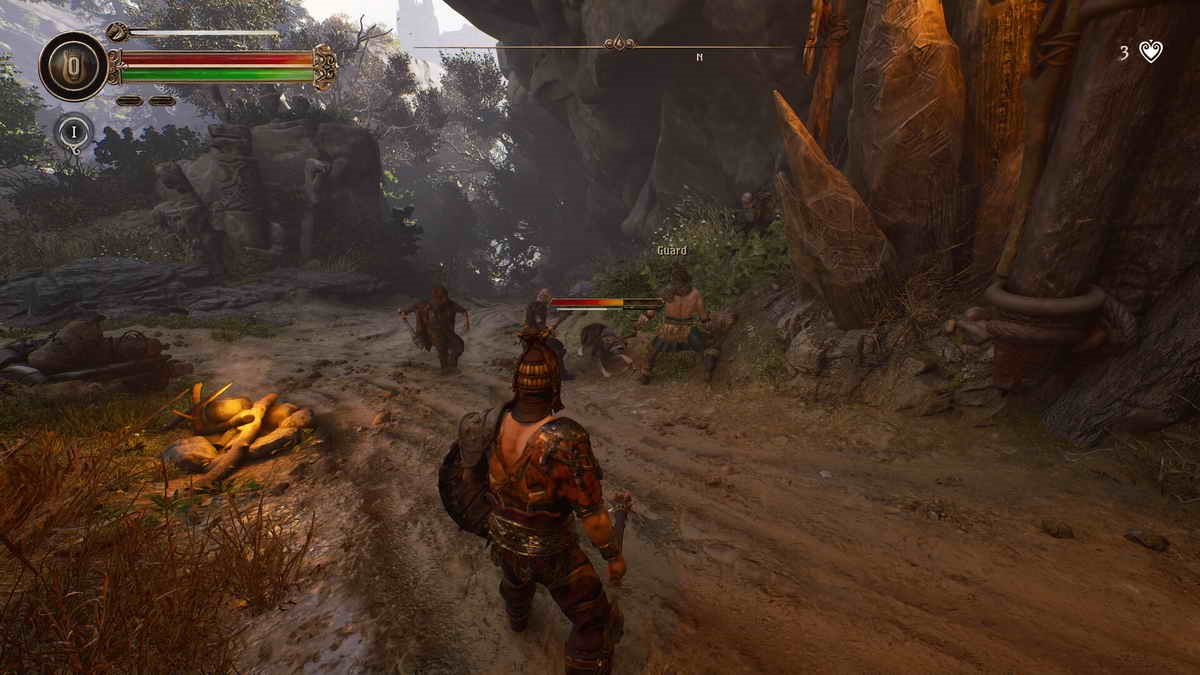
Perun Creative’s Kromlech is shaping up to be a deliberate throwback to a very specific era of RPG design – one where systems take precedence over spectacle, and player mastery is something that’s earned rather than granted. Drawing inspiration from early 2000s immersive RPGs while layering in modern rogue-lite sensibilities, it’s a project that wears its ambition openly. Based on its Early Access debut, that ambition is already visible, though not yet fully realized.
What we know
Kromlech is a single-player action-adventure title that blends RPG progression, immersive sim elements, and rogue-lite mechanics into a cohesive – if demanding – framework. Set in a harsh, myth-infused world inspired by Iron Age Europe, the game casts players as Cronach, a lone adventurer navigating a land on the brink of collapse. The tone leans heavily into darker sword-and-sorcery territory, where morality is less important than consequence, and survival often comes at a cost.
The game emphasizes player agency through build variety and systemic interactions. Character progression is tied to a mix of equipment customization, combat mastery, and ritualistic enhancements like inscriptions, warpaints, and offerings to deities. Combat itself is designed to be flexible, allowing for different approaches depending on enemy weaknesses and player preference, while the broader structure introduces a cyclical progression system where death reshapes the world and escalates its dangers. Kromlech is currently available in Early Access on PC, with its full scope still evolving as development continues.
What we saw
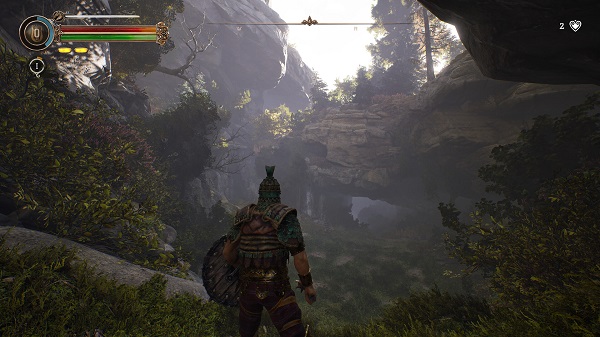
This preview is based on time spent with the Early Access version of Kromlech, which launched on March 5, offering a first look at its core systems, world design, and progression loop in an unfinished but already feature-rich state.
What we thought
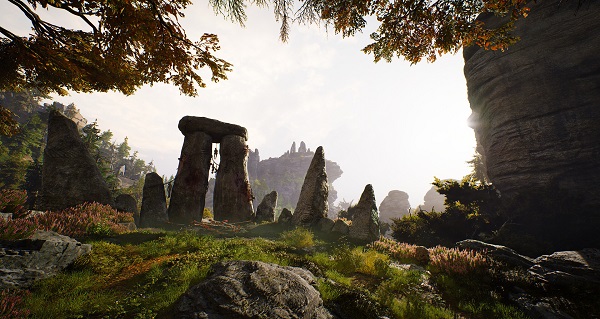
Even in its current form, Kromlech makes a strong first impression through its atmosphere and world design. There’s a tangible sense of place here, with environments that feel carefully constructed rather than procedurally assembled, encouraging exploration in a way that recalls genre classics. Winding paths, hidden routes, and interconnected spaces reward curiosity, and the visual presentation – while not cutting-edge – leans into a gritty, grounded aesthetic that suits its setting well. Audio design reinforces that tone, with a moody soundtrack and environmental cues that help sell the sense of a world in decline.
That said, the game quickly establishes itself as uncompromising, sometimes to a fault. Combat is clearly intended to be methodical and skill-driven, with directional attacks, timing-based dodges, and an emphasis on reading enemy behavior. When it clicks, there’s a satisfying rhythm to encounters, especially as players begin to understand its systems and build out their character. However, inconsistency in mechanics – particularly dodging and enemy AI – can undermine that intent, occasionally making encounters feel less like a test of skill and more like a battle against the systems themselves. Early difficulty spikes are also notable, with players often overwhelmed by groups of enemies before they’ve had the chance to properly gear up or experiment.
The rogue-lite structure adds an interesting twist, but it’s also one of the more divisive elements so far. Death doesn’t just reset progress – it actively escalates the world’s threat level, introducing stronger enemies and altering conditions in subsequent runs. In theory, this creates tension and long-term stakes, but in practice it can feel punishing, especially when combined with limited revival options and the loss of equipment. For some, this will reinforce the game’s high-risk identity; for others, it will disrupt the sense of steady progression typically associated with RPGs. There are also questions around consistency, with randomized elements like enemy placement and loot occasionally clashing with the otherwise grounded world design.
From a technical standpoint, Kromlech still shows clear signs of its Early Access status. Performance can vary, and issues like long loading times, visual glitches, and occasional instability are hard to ignore. Optimization is an ongoing concern, particularly given how critical responsiveness is to the combat system. At the same time, there are already signs of improvement through patches, and the core foundation – world design, combat depth, and overall vision – suggests that there’s something compelling taking shape here.
As it stands, Kromlech feels like a project with a strong identity but a fair amount of rough edges. Its commitment to old-school design principles, combined with modern systemic ambition, gives it a distinct flavor that won’t appeal to everyone – but for players willing to engage with its challenges, there’s clear potential. The coming months will be crucial in determining whether it can refine its mechanics and balance its systems enough to fully deliver on that promise.
 Press Play Media