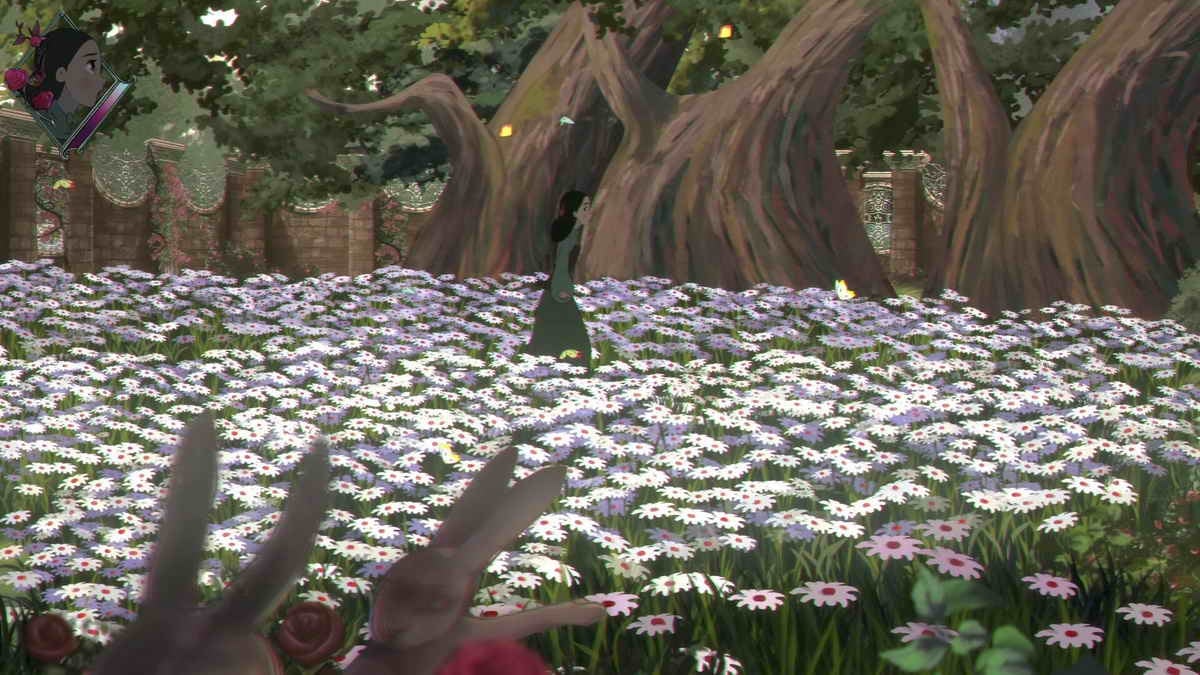
Bye Sweet Carole wears its inspirations on its sleeve and does so with an almost reckless tenderness: Little Sewing Machine and Chris Darril have crafted a hand-drawn world that looks and feels like a fractured fairy tale, one where the pastel warmth of old animated classics is constantly shadowed by something sticky and corrosive just out of frame. The game’s premise – a young woman named Lana leaving the safe, suffocating halls of Bunny Hall to track down her missing friend Carole and stumbling into the uncanny kingdom of Corolla – gives the developers room to alternate whimsy and unease, and in its best moments the narrative lands with genuine melancholy. The emotional through-line about loss and the difficulty of letting go is clear and sincere, even if at times the script leans toward the didactic and could have used sharper subtlety instead of spelling out its themes. Continue reading “Bye Sweet Carole review”
Category: New
Lethal Honor – Order of the Apocalypse review (PS5)

Lethal Honor – Order of the Apocalypse is a gritty hack‑and‑slash roguelite that pairs fast, melee-focused combat with a dark, hand-drawn graphic‑novel aesthetic. On PlayStation 5 it feels immediate and intense, built around short but punishing runs that reveal story fragments as you die and try again. The game rewards patience and pattern recognition more than frantic button-mashing, and its visuals and presentation make a strong first impression even when some design choices hold it back. Continue reading “Lethal Honor – Order of the Apocalypse review (PS5)”
The Legend of Steel Empire review (PS5)
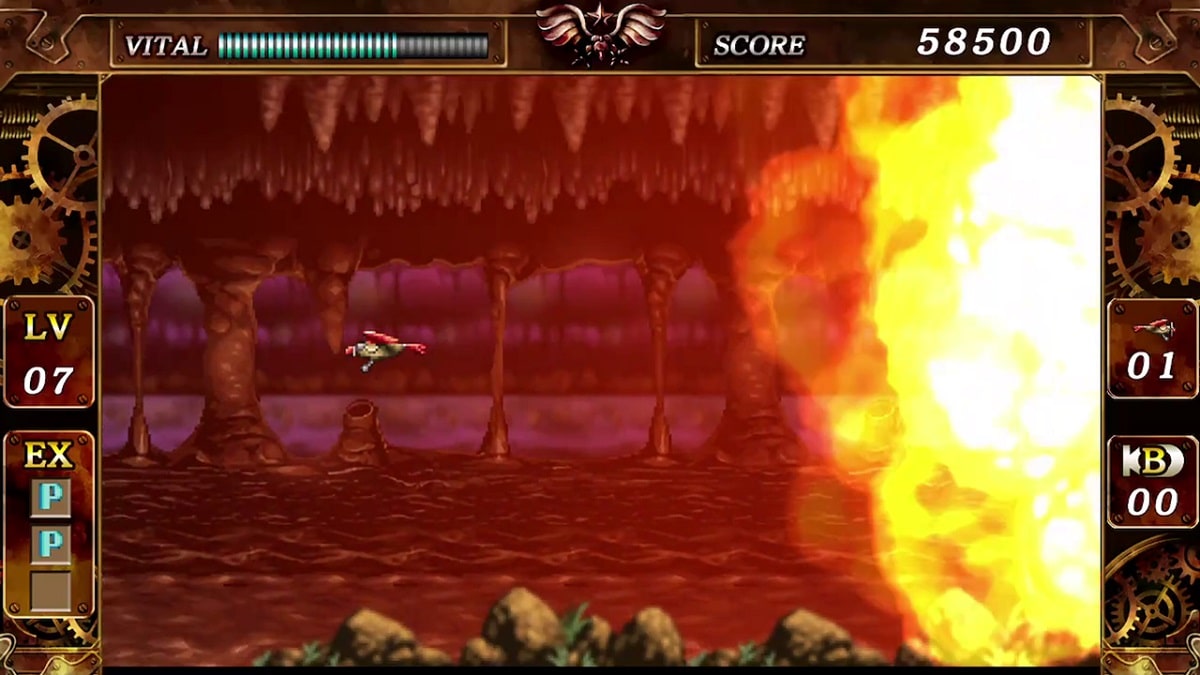
The Legend of Steel Empire on PS5 is a compact, joyful throwback that wears its retro roots like a badge, and its new port mostly understands what made the original click: brisk, mechanical spectacle wrapped in a steam-driven aesthetic. Playing it feels less like discovering a lost classic and more like being invited to sit in the cockpit of a lovingly restored vintage machine – everything is familiar, tactile, and purpose-built for short, sharp bursts of adrenaline. That fidelity is its greatest strength and, in some ways, its most obvious limitation. Continue reading “The Legend of Steel Empire review (PS5)”
Aztecs: The Last Sun preview (PC)

Aztecs: The Last Sun is a survival city‑builder that casts players as the Tlatoani, the divine ruler charged with raising Tenochtitlán from the marshes of Lake Texcoco and keeping the sun from fading. Combining territorial terraforming, layered production chains, ritual mechanics and a night‑time threat driven by mythic forces, the game blends traditional settlement management with moral choices and tense survival loops. The PC Early Access version published by Toplitz and developed by Play2Chill shows a distinct identity: part historical fantasia, part punishing resource puzzle, all framed by a mythic story campaign. Continue reading “Aztecs: The Last Sun preview (PC)”
Chromatic roundup: Gravitorque DX, Self Simulated, Wicked Plague, First Contact Protocol & Sabrina: Zapped

ModRetro’s Chromatic has quietly become the go‑to handheld for crafted Game Boy and Game Boy Color homebrews, and the platform just got a practical shot in the arm with the new Rechargeable Power Core – a snap‑in USB‑C battery that delivers roughly 16 hours of play and finally removes the hassle of loose AAs that put some buyers off the device. That hardware tweak matters: longer sessions and fewer interruptions make the Chromatic a better stage for the kind of short, clever experiments and bold retro tributes its library specializes in.
With that friction removed, the system’s growing catalogue feels more cohesive. The five titles below showcase what the Chromatic does best: focused mechanical hooks, tight cartridge-era aesthetics, and projects that range from bite‑sized puzzlers to dense Metroidvania challenges. Whether you’re picking up the console for portability and nostalgia or already own one and want to fill your library, these releases highlight the variety and ambition bubbling under ModRetro’s curated label.
Gravitorque DX
Gravitorque DX turns a single mechanical twist – rotating gravity instead of jumping – into a compact puzzle-platformer that rewards spatial thinking. The game’s levels are tightly designed around that core idea: flip gravity, watch your astronaut cling to a new surface, and chain rotations to reach the exit. That constraint keeps the experience focused and approachable, and the optional star challenges and collectibles add replay value for players who love optimizing solutions.

The presentation leans into clarity by necessity: readable sprites, clean level layouts, and a handful of animated story beats that punch above what you’d expect on GBC hardware. Where Gravitorque stumbles a little is in variety and audio. The soundtrack can grows a bit repetitive and the late-game puzzles, while clever, can blur together with earlier rooms because the core trick is so singular; the result is a delightful half-hour or so of puzzling that can feel thin if you wanted a deeper, longer puzzle diet. Play it for the crisp design and the “aha” moments, but don’t expect sprawling systems or a long campaign. This is a great puzzler, but it’s on the short side.
Self Simulated
Self Simulated is a precision platformer built around tight controls, short rooms, and iterative challenge. Its premise – a digitized self working through test chambers to reclaim identity – is functional and thematically neat, but the real selling point is how the game feels under thumb. Movement, dash, double-jump and the suite of assists are tuned for speed and accuracy, and the level design teaches those tools elegantly so players quickly learn to link moves fluidly.

That said, the package comes with trade-offs. The soundtrack and some repeated audio cues can grate across long sessions, and with 100+ levels and additional modes there is lots of value for completionists, justfying the asking price of this physical Chromatic release. Importantly, Self Simulated offers well-considered accessibility options – assists, instant retries, and autosave – so it works for both speedrunners and players who want a gentler ramp. For anyone chasing modern platforming precision on retro hardware, this one’s hard to beat.
Wicked Plague
Wicked Plague is an ambitious, stylish Metroidvania that looks and sounds like a late-90s punk-fantasy cartoon compressed into GBC silicon. Its combat hits hard and snappy, bosses demand pattern mastery, and the visuals – gritty palettes, expressive sprite work, and slick animations – create a memorable aesthetic that elevates exploration into a mood-rich experience. The game’s story and characters are fuller than most homebrew efforts, giving progression a sense of purpose beyond simple map completion.
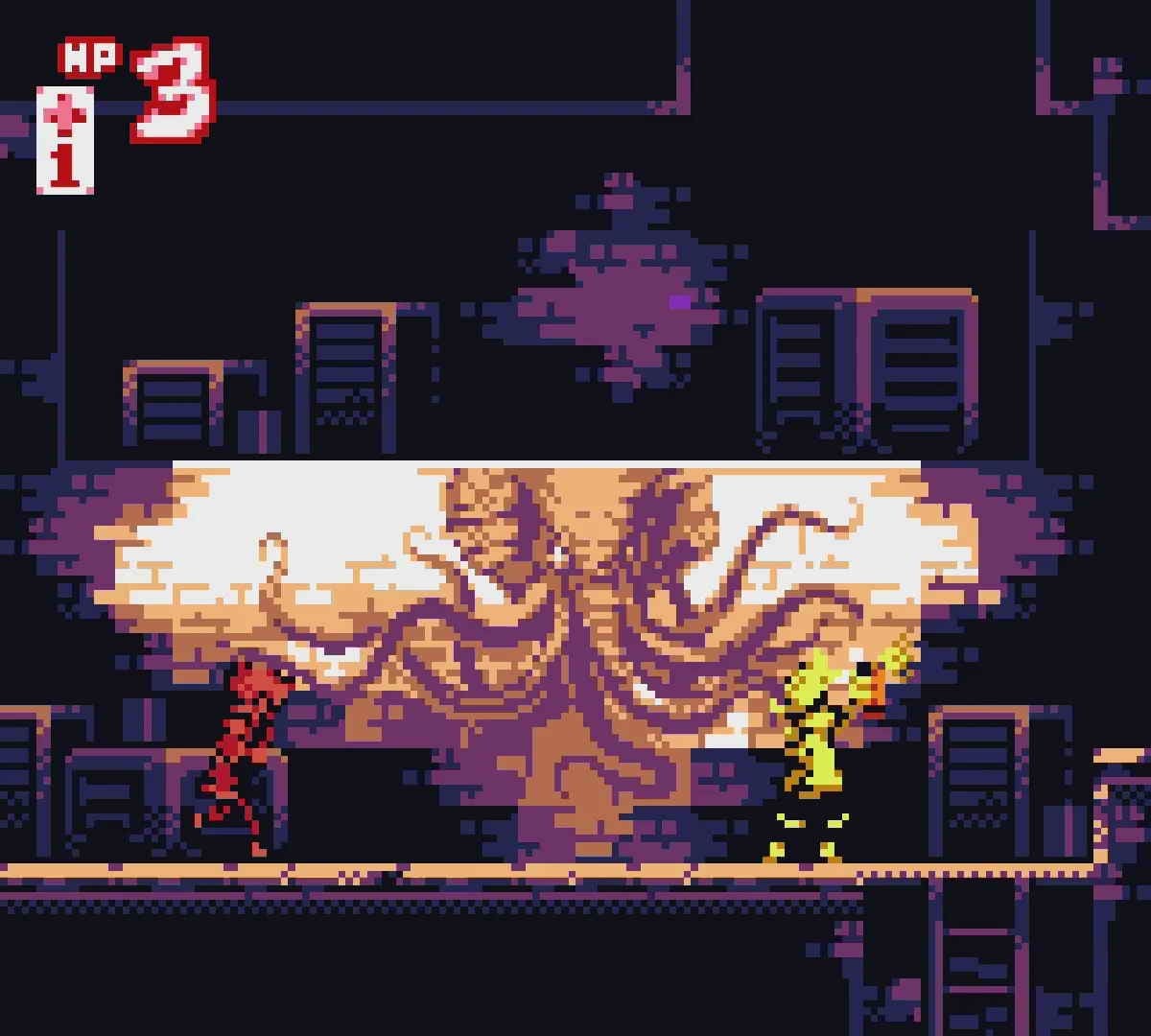
However, the experience is deliberately demanding. Navigation and early-level wayfinding can feel opaque, with dark backgrounds and minimal mapping making it easy to get lost; you might need notes or patience to keep your bearings here. The high difficulty curve and occasional layout confusion make Wicked Plague less welcoming for newcomers, though this also makes deaths and successes feel earned rather than arbitrary. If you relish tense boss fights, tight combat, and a moody soundtrack, Wicked Plague delivers a compact but intense Metroidvania; if you prefer clearer signposting and friendlier difficulty, it may frustrate more than it charms.
First Contact Protocol
First Contact Protocol pairs a small-scale sci-fi narrative with puzzle and stealth-lite mechanics to create an intimate, choice-driven experience aboard a stricken ship. The game sells its premise through neat touches: illustrated 8-bit cutscenes, an emphasis on character motivations among the crew, and multiple branching outcomes that reward replay and experimentation. The tone is grounded and the presentation is a standout – the comic-inspired cutscenes and ship layouts give the title a cinematic retro feel that punches above its hardware class.

Mechanically, it’s a mixed bag. The puzzles and stealth navigation are clever and occasionally surprising, but they can also feel repetitive or lightweight compared to the richness of the story beats they sit beside. For us, the story helped maintain our interest for the full playtime: and creativity in traversal and problem solving helped as well. If you value narrative-driven puzzles and atmosphere more than tight mechanical depth, First Contact Protocol is a tidy, character-forward experience worth exploring on the Chromatic.
Sabrina: Zapped!
Sabrina: Zapped! is a surprisingly cute and inventive platformer that adapts its cartoon license into playful level design. The game’s charm comes from its spell-based mechanics: unlockable abilities such as bubble float, double-jump and the option to switch to Salem inject variety and clever puzzle-platforming moments, and the overall tone is welcoming for younger players or those looking for a lighter retro romp. Levels are built around those spells well enough that each new power feels like a new way to approach familiar tasks.
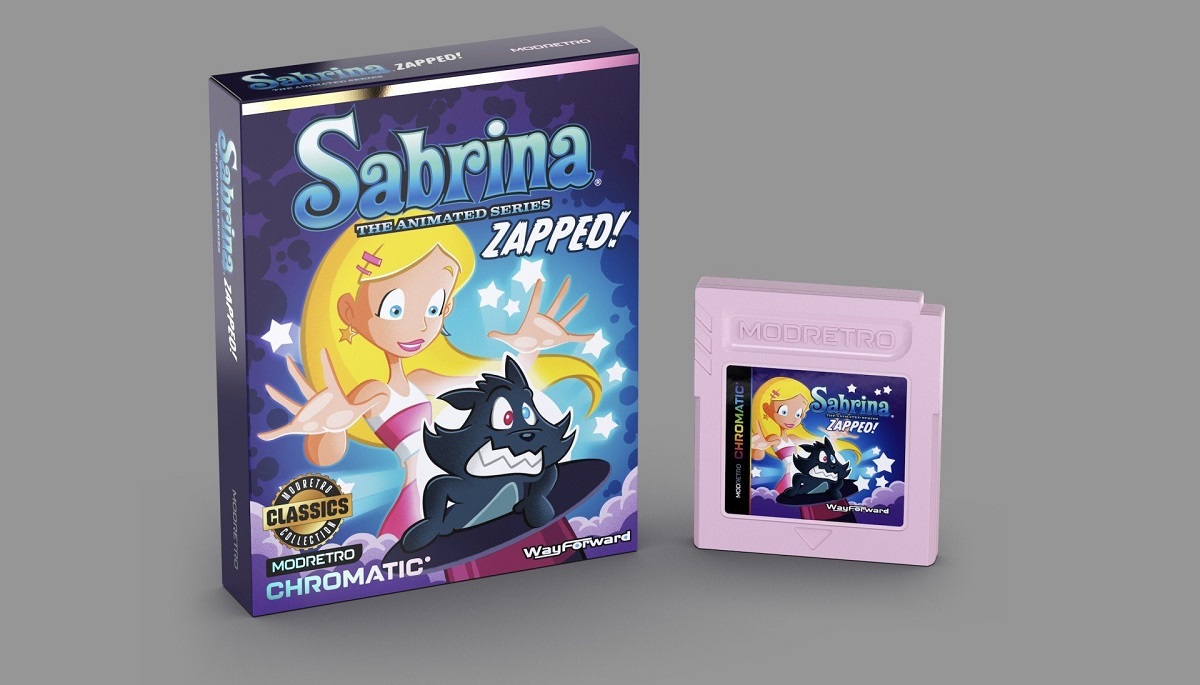
Still, it’s not without the faults that were there for the original GBC release. Enemy interactions can feel repetitive and occasionally awkward hit detection that can sour platforming precision, while the use of a password system instead of modern saves feels archaic and inconvenient on a device that otherwise embraces quality-of-life improvements. The game walks a fine line between being a sweet, accessible experience and occasionally drifting into mediocrity by today’s standards – it’s fun and addictive in short bursts, but less likely to hold the attention of players seeking mechanical depth. As a faithful, nostalgia-leaning platformer, Sabrina: Zapped! delights more often than it frustrates, especially for collectors and fans of the source material who will be delighted to see this re-released.
 Press Play Media