We look at three more titles that recently found a new home on an additional platform – here’s a look at ASTLIBRA Gaiden: The Cave of Phantom Mist, Zero the Kamikaze Squirrel and Rogue Sentry.
ASTLIBRA Gaiden: The Cave of Phantom Mist review (Switch)
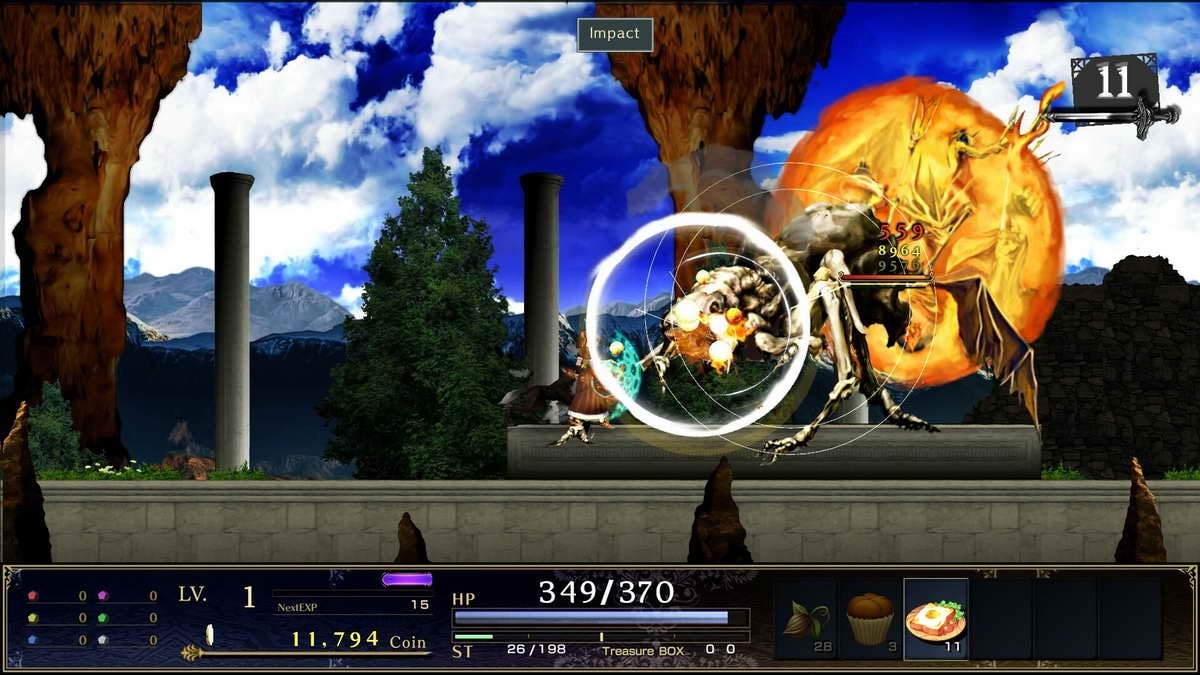
ASTLIBRA Gaiden: The Cave of Phantom Mist brings a new protagonist into the ASTLIBRA universe, offering a standalone experience on the Nintendo Switch after first being released as a DLC on PC. What starts as a simple, quiet life for the baker’s daughter quickly escalates into a 20+ hour roguelike adventure, with randomly generated dungeons and a host of magical attacks. The narrative also features a personal angle: the heroine’s journey is driven by a need to save her sick sister, adding an emotional layer to the otherwise action-packed gameplay.
The game’s roguelike mechanics are a double-edged sword. On one hand, the variety in dungeon layouts and enemy encounters keeps things fresh and unpredictable. On the other, the challenge can sometimes feel uneven, with difficulty spikes that may frustrate players, especially when combined with the game’s tendency to rely on trial and error. Nevertheless, character progression feels rewarding, with a wealth of customization options and new magic abilities that allow you to strategically adapt your playstyle.
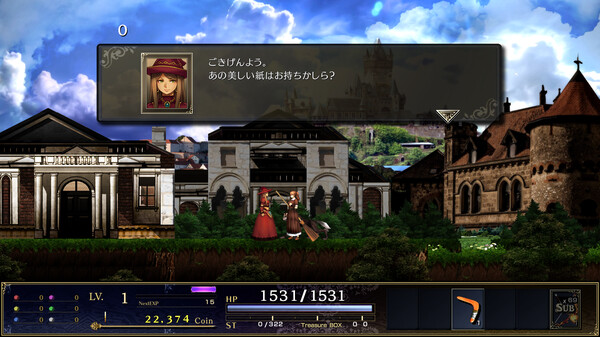
Controls on the Nintendo Switch are generally responsive, but not without occasional hiccups, especially when navigating the more hectic combat sequences. While movement and basic attacks are fluid, some of the more complex combos and magic attacks can feel imprecise, which is unfortunate in a game that thrives on tight action sequences. Despite this, the game remains engaging, thanks to its variety of enemies and dynamic level design.
Visually, The Cave of Phantom Mist leans heavily on a retro aesthetic, which, while charming, may not appeal to everyone. The sprite-based artwork evokes a sense of nostalgia but is not without its limitations, particularly in terms of variety and animation smoothness. The audio design complements the gameplay with an atmospheric score that enhances the dungeon-crawling experience, even though it lacks standout moments that truly elevate the action. Overall, while the game has its flaws, its heartfelt narrative and rewarding gameplay loop make it worth checking out for roguelike fans – as does the budget-friendly price point.
Zero the Kamikaze Squirrel review (PS5)
Zero the Kamikaze Squirrel brings back a nostalgic classic from the 90s with a fresh release on modern consoles, thanks to Ratalaika Games. As a spin-off from the Aero the Acro-Bat series, this platformer puts players in the shoes of Aero’s one-time nemesis, Zero, who now takes center stage in a heroic role. The game’s plot is delightfully silly, with Zero rushing back to his forest homeland to stop the evil lumberjack Jacques Le Sheets from destroying it and to rescue his girlfriend’s father. Though the narrative doesn’t take itself too seriously, it does provide a fun backdrop for the ninja-squirrel action that follows.
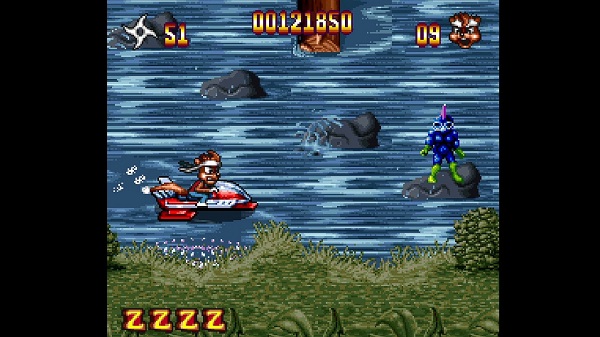
Gameplay-wise, Zero the Kamikaze Squirrel features the classic platforming elements that are characteristic of the 16-bit era, with tight level designs and satisfying combat mechanics. Zero’s moveset, which includes gliding and a range of combat attacks, helps differentiate him from other platforming heroes of the era, keeping things engaging throughout the 15 stages. However, some of the stages can feel repetitive, with the level design occasionally lacking the creativity found in other platformers of its time. Still, the addition of boss fights and rideable stages adds some variety, even if the difficulty spikes can be frustrating at times – though some of Ratalaika’s tweaks help with this.
The updated release includes several quality-of-life improvements that make the game more accessible for modern audiences, such as the rewind and turbo functions, which help alleviate some of the game’s inherent difficulty. The save-state feature is also a welcome addition, allowing players to jump back into action without replaying large sections of the game. These enhancements make the experience more forgiving, especially for newcomers who might not be accustomed to the challenge of older platformers.
Visually, the game retains its 16-bit charm, with colorful sprite work and some detailed environments that pop on modern screens. The inclusion of visual filters is a nice touch, giving players the option to replicate the retro look of CRT monitors or try other looks. However, the audio, while serviceable, feels dated and lacks the punch and timeless melodies that other retro platformers managed to deliver. Overall, Zero the Kamikaze Squirrel is a fun throwback for fans of 90s platformers, though some dated design elements might limit its appeal.
Rogue Sentry review (PS5)
Rogue Sentry from Mapledev, published by Eastasiasoft on consoles, throws players into a fast-paced, twin-stick shoot-em-up set in an AI-dominated future. As a rogue sentry droid, you navigate a deadly fortress filled with hostile machines, fighting to save humanity’s last survivors. The game’s premise, while not entirely original, adds a sense of urgency and purpose to the action, giving players a straightforward yet engaging goal: escape the fortress and liberate the remaining human prisoners. The story’s simplicity works in its favor, letting the gameplay take center stage.
The gameplay in Rogue Sentry is intense, requiring precision and quick reflexes as you dodge enemy fire and blast through waves of enemies. The twin-stick controls are responsive, allowing for fluid movement and satisfying combat. However, the difficulty is punishing, and while fans of hardcore shooters will enjoy the challenge, others may find it frustrating, especially since there’s little room for error. The game includes multiple endings and alternate modes, which adds some replayability, though the overall experience is relatively short, with a playthrough taking just around two hours.
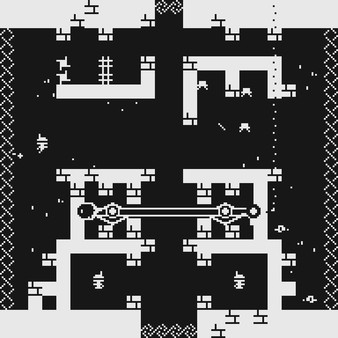
Visually, Rogue Sentry is distinct, with its 1-bit art style that harks back to the era of early home computers like the Commodore 64 and Spectrum. This minimalist approach gives the game a unique aesthetic, but it can also be divisive; while some may appreciate the nostalgic charm, others might find it too basic, even in comparison to other retro-inspired titles. The C64-inspired soundtrack complements the visuals, with chiptune melodies that suit the frenetic pace of the gameplay, though it doesn’t stand out much beyond that.
In the end, Rogue Sentry is a solid entry in the twin-stick shooter genre, particularly for those who appreciate a tough, no-frills challenge. While the art style and short playtime may not appeal to everyone, the game’s tight controls and relentless action are sure to attract a niche audience looking for a quick, adrenaline-pumping experience.
 Press Play Media