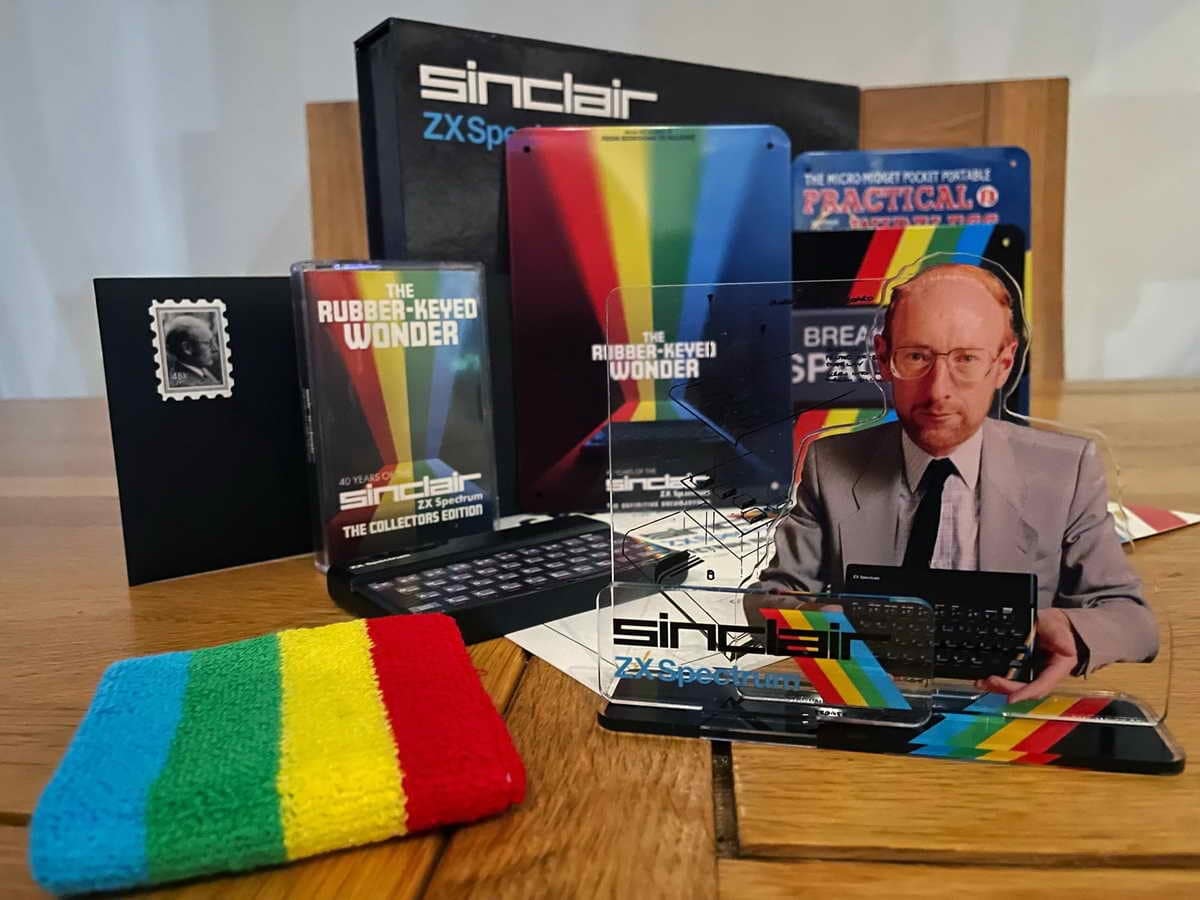
The Rubber Keyed Wonder – The Story of the Sinclair ZX Spectrum is an affectionate and thorough dive into the history of one of the most iconic home computers to come out of the UK in the 1980s. Directed by Anthony and Nicola Caulfield, who previously explored the history of gaming in From Bedrooms to Billions, this documentary shifts its focus to a device that may not be as widely recognized as a PlayStation or an Amiga, but had a profound impact on the world of computing and gaming in its own right – especially in the United Kingdom.
The film presents the story of the Sinclair ZX Spectrum with a blend of nostalgia and technical insight, offering a compelling narrative for those who remember the rubber-keyed original version fondly. It takes a chronological approach to the ZX Spectrum’s story, blending technical details with personal anecdotes from developers, users, and industry veterans. Through interviews with industry pioneers and enthusiasts, the documentary pieces together the journey of how this seemingly humble machine became a cornerstone of the British computing revolution, as well as a symbol of innovation and creativity for a generation of bedroom coders. It’s a fascinating look at a piece of technology that helped shape the gaming and tech landscape, though it might feel a little too niche for those who didn’t grow up with the Spectrum or aren’t well-versed in early home computers.

The visual presentation of the documentary is solid. Archival footage is mixed with interviews and demonstrations of the ZX Spectrum in action in montages of games. The sharpness of modern footage contrasts well with the grainy, sometimes low-res archival material, which adds a certain charm to the film.
The audio is serviceable, with a clear focus on dialogue from interviewees and narration. There’s no need for an extensive sound design here, but the accompanying soundtrack does a good job of evoking the era, with a few classic tunes that add a layer of immersion and the relatively simple audio chip of the Spectrum providing a big contrast whenever gameplay footage is shown.
Fans of the Sinclair ZX Spectrum and home computing in general will appreciate the wealth of material and interviews on display here, which delve further into the personal stories and technical details behind the company and man behind the Spectrum (Clive Sinclair) as well. The detailed approach of the film mirrors the in-depth style of the Caulfields’ previous works, ensuring that viewers can walk away with an even greater appreciation of the ZX Spectrum’s legacy.
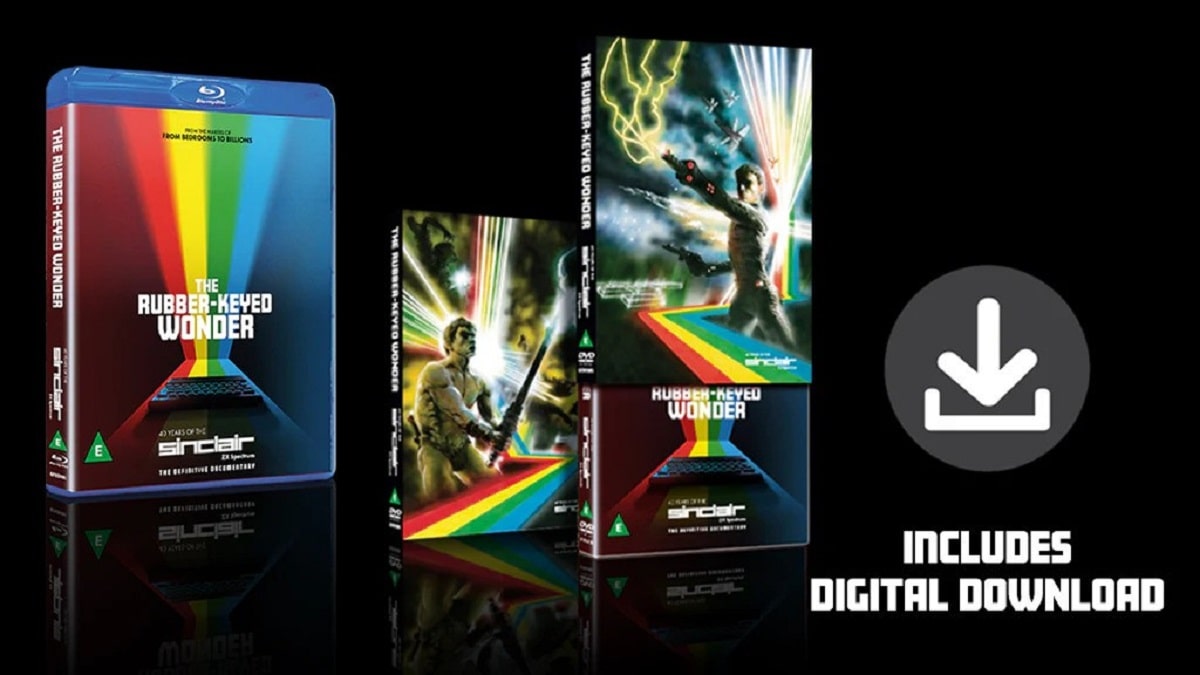
However, for those without an inherent interest in the home computing era, The Rubber Keyed Wonder might not resonate as strongly. The film delves deeply into the nuances of a machine that, while important, lacks the broader cultural and global recognition of gaming consoles like the PlayStation. As a result, the documentary might feel too specific for general audiences or younger viewers unfamiliar with the ZX Spectrum’s influence. But for the right audience, this documentary is a goldmine of information and nostalgia, capturing a defining moment in computing history.
In conclusion, The Rubber Keyed Wonder – The Story of the Sinclair ZX Spectrum is a love letter to a crucial, yet often overlooked, piece of technology. It offers great insights for those familiar with the Spectrum, but its niche subject matter may limit its appeal to a wider audience. The film’s visual and audio presentation is good, and it balanced the technology aspects behind the Spectrum with the games that were made for it very well. If you’re someone with an affinity for home computing history, this is a must-watch.
 Press Play Media