
The retro vibe is strong in today’s roundup of new releases, checking out Justice Ninja Casey, O.W.L. Projekt 2 and Lulu’s Temple – which all saw console releases very recently.
Justice Ninja Casey review (PS5)
Justice Ninja Casey marks the first time this 16-bit title has been officially available in English, bringing a long-lost piece of gaming history to modern platforms. Originally released for the Asian market as Shonen Ninja Sasuke on the Super Famicom/SNES, this version stays true to the original while introducing quality-of-life improvements to make the experience more accessible.
The game’s structure offers two modes: Quest Mode adds RPG elements such as branching paths, a leveling system, and equipment upgrades, while Action Mode strips things down to classic brawler combat. Both options provide a satisfying challenge, though some late-game sections suffer from noticeable slowdown, just as in the original release. It’s a shame this wasn’t addressed, but fortunately, the addition of save states, a rewind/turbo function, and even cheat options (like infinite lives and invincibility) give players more control over how they approach the game.
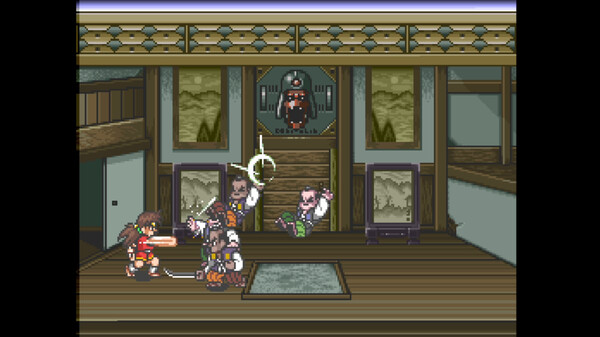
Visually, the game retains its original 16-bit pixel art, making it a faithful representation of its Super Famicom roots. However, this also means it brings over some technical issues, including occasional glitches that become more frequent in later levels. The soundtrack is packed with classic tunes, and players can listen to all 30 tracks in the included jukebox, adding to the nostalgic appeal.
One of the most exciting additions is the local co-op mode, which allows two players to take on the adventure together. This, along with extras like a gallery featuring scans of the original box art and manual, makes this a well-rounded package for retro gaming fans, and Justice Ninja Casey is a welcome revival of a forgotten gem. With its mix of classic beat ‘em up gameplay, RPG mechanics, and modern features, it’s an enjoyable trip back to the 16-bit era – especially for fans of vintage action games.
O.W.L. Projekt 2 review (PS5)
O.W.L Projekt 2 builds on the puzzle-platforming foundation of its predecessor, introducing new mechanics such as color-coded portals and a faster enemy type that adds an extra layer of tension. The isometric perspective returns, making for intricate puzzle design where players must carefully navigate moving platforms, secret passages, and traps while using the Sanctum Staff to manipulate objects. While the narrative remains minimal, the handcrafted levels keep things engaging by gradually introducing new challenges.
The game’s puzzle mechanics and perspective feels reminiscent of games like Captain Toad: Treasure Tracker, requiring spatial awareness and precise movement. However, the isometric viewpoint can occasionally make controls feel imprecise, leading to frustrating moments when trying to avoid hazards or execute precise jumps. Trial-and-error gameplay plays a role here, which may be a draw or deterrent depending on the player’s patience.

Visually, O.W.L Projekt 2 sticks to a clean and functional aesthetic, ensuring clarity in its level design. While not particularly flashy, its bright color scheme and distinct environmental elements help keep the gameplay readable. The soundtrack complements the atmosphere but leans on repetition, offering ambient tracks that suit the game’s mysterious, experimental tone without being especially memorable.
For those who enjoy methodical puzzle-solving with a clean and retro-inspired presentation, O.W.L Projekt 2 offers a solid challenge with engaging level design. However, its reliance on trial-and-error, occasional control quirks, and demanding platforming may not appeal to everyone. Fans of isometric puzzle games willing to embrace these elements will find a rewarding experience here.
Lulu’s Temple review (PS5)
Lulu’s Temple, developed by Agelvik and recently brought to PlayStation 5 by Ratalaika Games, blends retro platforming with light-based puzzle mechanics in a treacherous pyramid setting. Players step into the boots of an archaeologist who finds himself trapped inside an ancient structure teeming with undead foes, deadly traps, and cryptic secrets. With only a gun and a torch to survive, the game challenges players to carefully navigate the darkness, revealing dangers before they have a chance to hurt you. The torch plays a crucial role, illuminating hidden pathways, lighting other torches to create safe zones, and even acting as a throwable tool, with a scarab companion ensuring it’s always retrievable.
The game’s difficulty curve is well-balanced, offering a steady ramp-up in challenge as players progress. Enemies range from slow-moving mummies to aggressive scorpions and elusive threats hiding in the shadows, forcing players to be both reactive and strategic. The shooting mechanics feel responsive, allowing for single shots or rapid bursts depending on how long the trigger is held. While combat is enjoyable, some players may find the final boss fight a frustrating departure from the rest of the game, as it shifts the focus away from puzzle-solving and being clever to just pure combat. The boss also has oddly placed phase transitions, disrupting the rhythm of the battle and making it feel more tedious and trial and error-like than climactic.

Visually, Lulu’s Temple fully embraces its retro aesthetic, drawing comparisons to classic games like Rick Dangerous, Livingstone or Aztec. The pixel art is detailed, capturing the eerie atmosphere of a cursed pyramid, while the Egyptian-themed soundtrack enhances the tension. Sound effects, including enemy groans and trap triggers, further heighten the experience. The game controls smoothly, making precise movement and shooting feel natural. However, the overall length is on the shorter side, with our first playthrough taking around two hours, though we imagine speedrunners can complete it far less time than time.
Despite its brief runtime and a divisive final boss, Lulu’s Temple delivers a polished and engaging retro-inspired adventure. Its clever use of light mechanics, combined with tight platforming and responsive combat, makes for a compelling experience that fans of classic action-platformers will appreciate. While it may not reinvent the genre, it successfully captures the spirit of old-school gaming with a modern touch, making it a worthwhile addition to any retro enthusiast’s library.
 Press Play Media