
Since its release a few months ago, the ModRetro Chromatic has become a bit of a haven for both nostalgic re-releases and inventive new titles, breathing fresh life into the Game Boy/handheld gaming scene. With its vibrant display and compatibility with original Game Boy cartridges, the Chromatic offers a unique platform for developers to explore retro aesthetics with modern sensibilities. In this roundup, we delve into four interesting new game (re)releases that showcase the console’s diverse offerings: Chantey, Baby T-Rex, Project S-11, and Hermano.
Chantey
Chantey is a brand new release that sets sail as a rhythm-infused RPG, blending top-down exploration with beat-matching battles in a swashbuckling narrative. Players navigate an open world, recruiting crew members and engaging in musical duels that determine the fate of their pirate journey. The game’s standout feature is its chiptune soundtrack, delivering sea shanties that resonate with the game’s adventurous spirit.
Visually, Chantey pushes the Chromatic’s capabilities, presenting detailed sprites and environments that evoke classic Game Boy titles while adding a modern flair. The environments are diverse, from bustling ports to eerie caves, and the character sprites exude personality. The rhythm mechanics are intuitive, based on a simple pattern-matching system that allows players to jump in quickly, though some may find the timing windows a bit too forgiving, which slightly undermines the skill ceiling for rhythm game veterans.

However, the open-world design, while ambitious, occasionally leads to moments of aimlessness. Certain quests lack clear direction, and although there is a charm to stumbling upon hidden areas organically, players looking for tight structure might find the experience a bit scattered. We also saw a few minor bugs where events didn’t trigger, though they are infrequent and not game-breaking.
Despite these hiccups, Chantey is a bold and creative take on the RPG genre, offering something distinct for handheld gamers. Its unique combination of rhythm-based combat and open-world exploration, wrapped in a vibrant pixel art package, makes it one of the most memorable original titles on the Chromatic so far. It brings together charm, ambition, and originality in equal measure, and even with a few rough edges, it’s a voyage well worth embarking on.
Baby T-Rex
Baby T-Rex – which was a rare title in its original form – returns from the early ’90s, bringing its classic platforming action to the Chromatic. Players guide the titular dinosaur through various side-scrolling levels, overcoming obstacles and enemies in a quest to rescue his kidnapped friends. The game’s straightforward mechanics, cheerful tone, and cartoonish visuals capture the essence of its original release, making it an ideal pick for those who grew up with Game Boy platformers.
While the gameplay remains faithful to its roots, some modern players might find the controls less responsive compared to today’s standards. The jump mechanics in particular can feel floaty at times, which becomes more noticeable during the later, more demanding levels. Level design is colorful and varied, ranging from prehistoric jungles to futuristic tech zones, but can feel repetitive in places due to similar enemy patterns and obstacle arrangements.
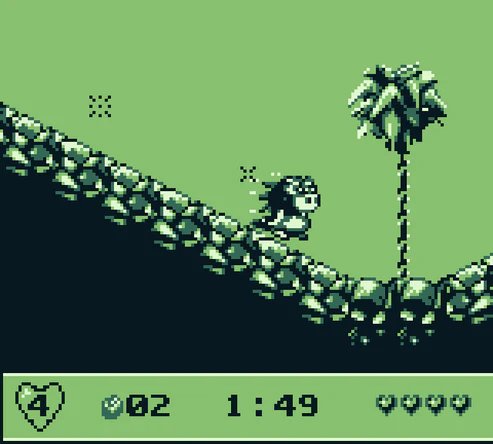
Still, there’s something undeniably charming about Baby T-Rex. The game’s simplicity is a strength for younger players or those looking for a casual experience, and its upbeat soundtrack adds a fun layer of energy to the adventure. The graphics, while simple, benefit from the Chromatic’s enhanced color palette and display, giving the game a fresh look while retaining its retro feel.
As a re-release, Baby T-Rex isn’t trying to reinvent the wheel, but it does what it sets out to do very well. It’s a lighthearted, no-frills platformer that thrives on its nostalgic appeal and endearing mascot. Those seeking deep mechanics or innovation won’t find them here, but for anyone looking to revisit a piece of handheld gaming history, this dino romp remains delightfully entertaining.
Project S-11
Project S-11 blasts onto the Chromatic, delivering a fast-paced, vertically scrolling shoot-’em-up experience that feels ripped straight from an arcade machine and then condensed into a Game Boy experience. Players pilot a spacecraft through waves of enemies and challenging boss battles, all set against a backdrop of vibrant pixel art and an energetic soundtrack. It’s an intense affair from start to finish, and one that showcases how well the Chromatic handles fast-moving, high-action gameplay.
The gameplay is snappy and responsive, with tight controls that allow players to dodge enemy fire and weave through complex patterns of projectiles. Weapon pickups and power-ups keep things interesting, offering a good variety of strategies for different sections. The enemy design is varied and occasionally surprising, and boss battles provide a real test of reflexes and memorization skills.
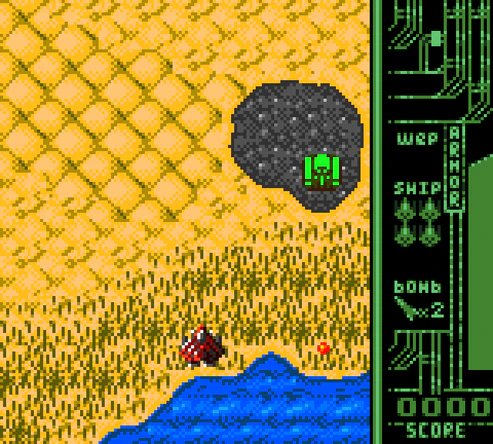
One area that might deter some players is the steep difficulty curve. Lives are limited and there’s no save system, so success often relies on replaying levels and learning their layout. That said, this level of challenge will appeal to genre veterans looking for something demanding that taps into the arcade spirit. Visually, Project S-11 makes a strong impression, with detailed backgrounds and fluid animation that bring the space combat to life.
For fans of shoot-‘em-ups, Project S-11 is one of the most technically polished and satisfying entries available on the Chromatic. While it doesn’t offer much in terms of innovation, it excels through its execution and sheer intensity. It’s a love letter to arcade shooters of old, and for players with fast reflexes and a taste for high-stakes action, it stands out as a must-play.
Hermano
Hermano introduces players to a heartfelt narrative centered around two brothers navigating a world filled with danger, puzzles, and platforming challenges. The game immediately stands out for its charm and emotional storytelling, which explores themes of family, loss, and resilience. This narrative depth, combined with classic side-scrolling action, results in a memorable and grounded experience that is rare among Game Boy-style titles.
The core gameplay blends precision platforming with simple but clever puzzles. Players switch between the two brothers to make use of their unique abilities, which adds a light strategic element. While the mechanics are accessible, the level design evolves nicely across the campaign, keeping things fresh. Some puzzles can be obtuse, occasionally stalling progress until the correct sequence is figured out, but these moments are balanced by satisfying platforming sequences and smart pacing.

Hermano also impresses visually. It doesn’t overwhelm with detail, but the visual storytelling and environmental variety – from dusty deserts to eerie ruins – give each area a sense of place. The soundtrack complements the emotional tone perfectly, ranging from gentle, reflective melodies to more intense tracks during action sequences. Sound design plays a key role in immersing the player, reinforcing the game’s mood and pacing.
As a narrative-driven platformer, Hermano is among the most compelling games available for the Chromatic. It offers a touching story, meaningful mechanics, and a strong artistic identity that lingers after the credits roll. It’s a game with real heart and charm, and its thoughtful blend of story and gameplay makes it easy to recommend. Players looking for something emotionally resonant, rather than just mechanically tight, will find Hermano to be a standout experience.
Wrap-up
In summary, the Chromatic continues to build a diverse library that caters to various gaming preferences. From rhythm-infused adventures and nostalgic platformers to intense shooters and emotional narratives, these titles exemplify the console’s versatility and the creativity of its developers. Whether you’re in the mood for a pirate singalong, a classic dino romp, bullet hell action, or a heartfelt tale of brotherhood, there’s something here that showcases why the Chromatic has captured the attention of retro fans and new players alike. It’s a promising reminder that, in the right hands, the spirit of handheld gaming can still surprise and delight.
 Press Play Media