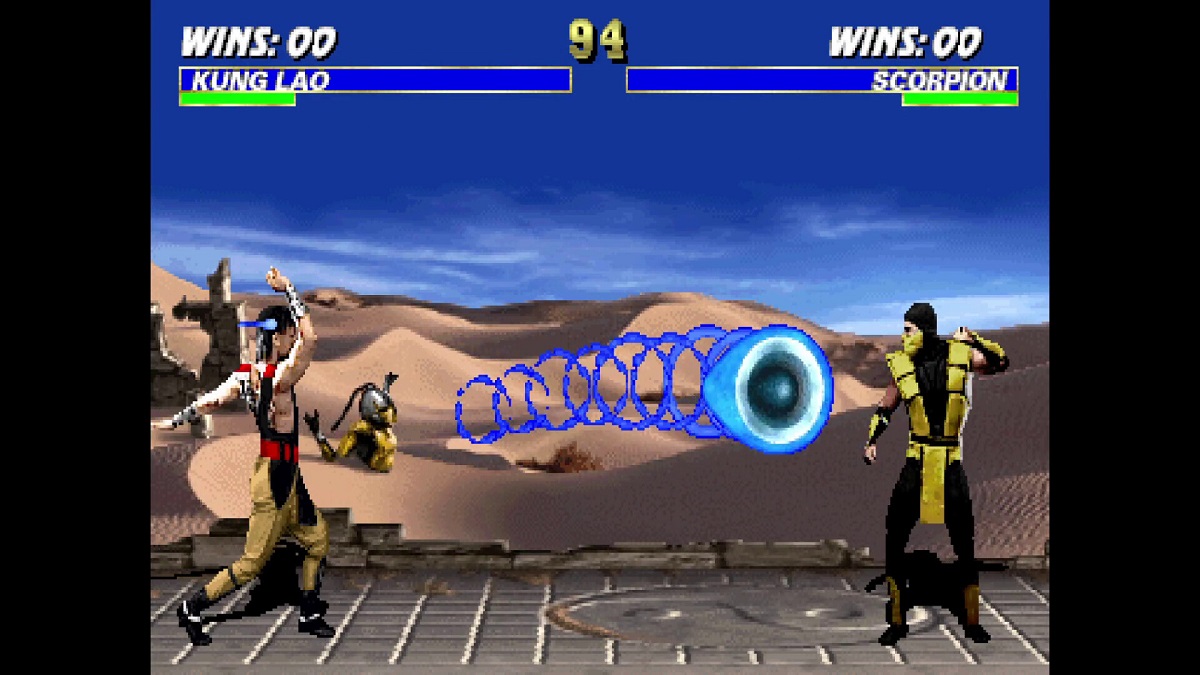
Few fighting game franchises have a legacy as enduring as Mortal Kombat. From its digitized fighters and over-the-top gore to its impact on the creation of the ESRB ratings system, it helped shape not just a genre but video game culture itself. With Mortal Kombat: Legacy Kollection, Atari and Digital Eclipse are packaging that history into an interactive collection that celebrates the series’ earliest years – and after getting an early look at Gamescom, it’s shaping up to be both a love letter to long-time fans and an accessible gateway for newcomers and those curious about the phenomenon that surrounded it.
What we know
Mortal Kombat: Legacy Kollection brings together a carefully curated set of titles from the franchise’s formative years. The collection includes arcade originals alongside selected home versions and even some rarer, fan-favorite releases, allowing players to experience how the series evolved across platforms. Beyond the games themselves, it also offers extensive historical content, ranging from interviews with key creators like Ed Boon, John Tobias, John Vogel, and Dan Forden to design sketches, marketing materials, and archival footage.
In typical Digital Eclipse fashion, the collection doubles as an interactive documentary. Players can dive into timelines of Mortal Kombat’s sprawling lore, explore character histories, and unlock behind-the-scenes stories. Gameplay-wise, the classics are preserved faithfully but enhanced with modern conveniences like rollback netcode for smoother online play, the ability to easily access hidden characters and developer menus, and even a dedicated mode to practice fatalities without frustration.
The collection will launch on PC and modern consoles later this year.

What we saw
At Gamescom, we met with Digital Eclipse’s Dan Amrich, who walked us through the many features of Mortal Kombat: Legacy Kollection. Alongside his insights into the sheer amount of content and history included, we also went hands-on with the games themselves. This gave us a chance to try new features like the fatality practice mode and a streamlined method for unlocking secrets like Reptile, which offered a more approachable way to explore the series’ hidden depth without compromising its authenticity.
What we thought
Digital Eclipse has a strong reputation for treating classic games with care, and Mortal Kombat: Legacy Kollection looks to be another showcase of that philosophy. The selection of titles is impressive, covering the arcade roots as well as home versions that highlight how the series spread into living rooms worldwide. While not every version could be included – partly due to technical and licensing hurdles – the range on offer feels generous and meaningful, rather than padded. For fans, it’s an opportunity to revisit the franchise’s origins in one place; for newcomers, it’s a chance to experience gaming history in a way that feels approachable.

The extras elevate the package far beyond a simple compilation. Seeing original sketches, hearing from the developers in newly recorded interviews, and browsing through archival materials brings the era to life in a way that resonates with how groundbreaking these games were at the time. Digital Eclipse has become known for this “playable museum” approach, and it’s just as effective here as it was in their other collections.
Gameplay itself remains untouched where it matters, with the same digitized visuals, sharp controls, and brutal combat that defined the early Mortal Kombat entries. What’s different are the quality-of-life features layered around them. The inclusion of rollback netcode should make online battles viable and competitive, while practice modes and easy secret unlocks help smooth out frustrations that once required guidebooks or playground rumors. It’s a smart balance – preserving the challenge and charm of the originals while respecting modern players’ expectations.
From what we’ve seen, Mortal Kombat: Legacy Kollection isn’t just about nostalgia; it’s about understanding why Mortal Kombat became such a cultural touchstone in the first place. By framing the classics within their historical context and adding just enough modern polish, Digital Eclipse has crafted a collection that feels both celebratory and essential. If you have any fondness for the franchise – or curiosity about where it all began – this is going to be one fight worth stepping back into.
 Press Play Media