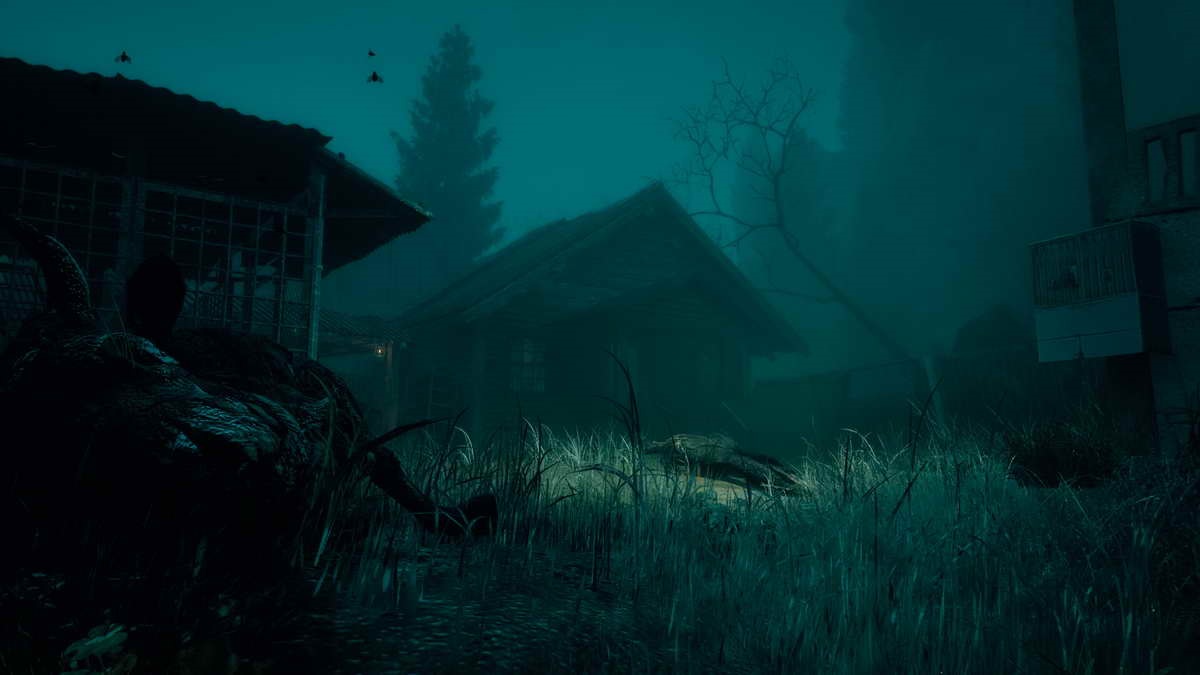
The Occultist, the narrative-driven horror game we first previewed back in 2024, blends investigative storytelling with stealth-focused survival mechanics. Developed by DALOAR and published by Daedalic Entertainment, this PlayStation 5 release follows paranormal investigator Alan Rebels as he travels to the abandoned island of Godstone in search of his missing father. The premise leans into familiar genre territory – isolated locations, a dark past rooted in cult activity, and a protagonist confronting both personal and supernatural mysteries – but it distinguishes itself through its emphasis on occult tools and psychological unease rather than outright confrontation.
Godstone itself is a strong narrative anchor, with its history of ritualistic practices and sudden abandonment lending weight to the unfolding mystery. The environmental storytelling does much of the heavy lifting, gradually revealing fragments of the island’s past through exploration. While this slow-burn approach builds atmosphere effectively, it can also feel overly restrained at times, with stretches where narrative momentum stalls and the sense of discovery loses urgency. Alan’s personal connection to the island adds an emotional throughline, though character development remains somewhat surface-level, never fully capitalizing on the psychological depth the premise suggests.
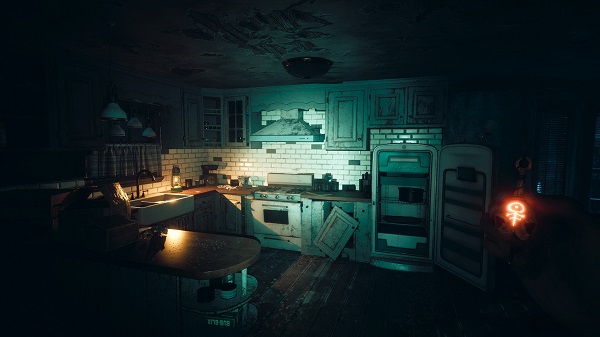
Central to the gameplay is the mystical pendulum, which functions as both a puzzle-solving device and a narrative tool. Its multiple abilities – ranging from interacting with hidden elements to manipulating the environment – introduce a layer of variety that prevents the experience from becoming purely a walking simulator. The mechanics are conceptually engaging, but their implementation can feel inconsistent, with certain interactions lacking clarity or responsiveness. As a result, moments that should feel intuitive occasionally turn into trial-and-error sequences that disrupt immersion.
Stealth plays a significant role, as direct combat is absent and encounters with hostile entities require careful navigation and avoidance. This design choice reinforces vulnerability and tension, aligning well with the game’s horror ambitions. However, enemy behavior can be uneven, sometimes diminishing the intended threat when patterns become predictable or AI responses feel underdeveloped. When it works, the stealth system creates genuinely nerve-wracking scenarios, but it doesn’t consistently sustain that level of intensity throughout.
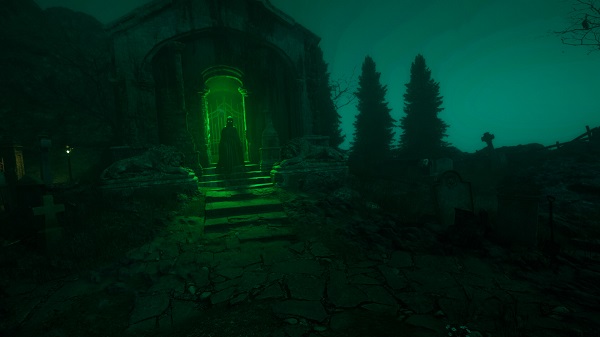
From a technical standpoint, The Occultist delivers a visually compelling rendition of its eerie setting. The fog-laden streets, decaying architecture, and oppressive interiors contribute to a cohesive and unsettling atmosphere. Lighting and environmental detail are particular highlights, enhancing the sense of isolation and decay. That said, the presentation is not without flaws, as occasional performance hiccups and animation stiffness can break immersion. Despite these issues, the overall visual design succeeds in establishing a strong horror identity.
The audio design further reinforces the game’s tone, with an original score that underscores tension without overwhelming the experience. Subtle ambient sounds and carefully placed cues help maintain a constant sense of unease, while the soundtrack supports key moments effectively. Voice acting and sound direction are generally solid, though not especially memorable, serving the narrative without elevating it significantly. The combined audiovisual presentation ultimately does much to sustain engagement, even when gameplay slightly falters.
Taken as a whole, The Occultist is a game that thrives on atmosphere and concept but struggles with consistency in execution. Its blend of occult investigation, stealth mechanics, and narrative exploration offers a compelling framework, and there are moments where all elements align to create genuinely effective horror. At the same time, uneven pacing, occasional mechanical frustrations, and limited character depth prevent it from reaching its full potential. For players drawn to slow, tension-driven experiences with a strong thematic core, Godstone is worth exploring – even if its mysteries don’t entirely deliver on their promise.
Score: 7.1/10
 Press Play Media