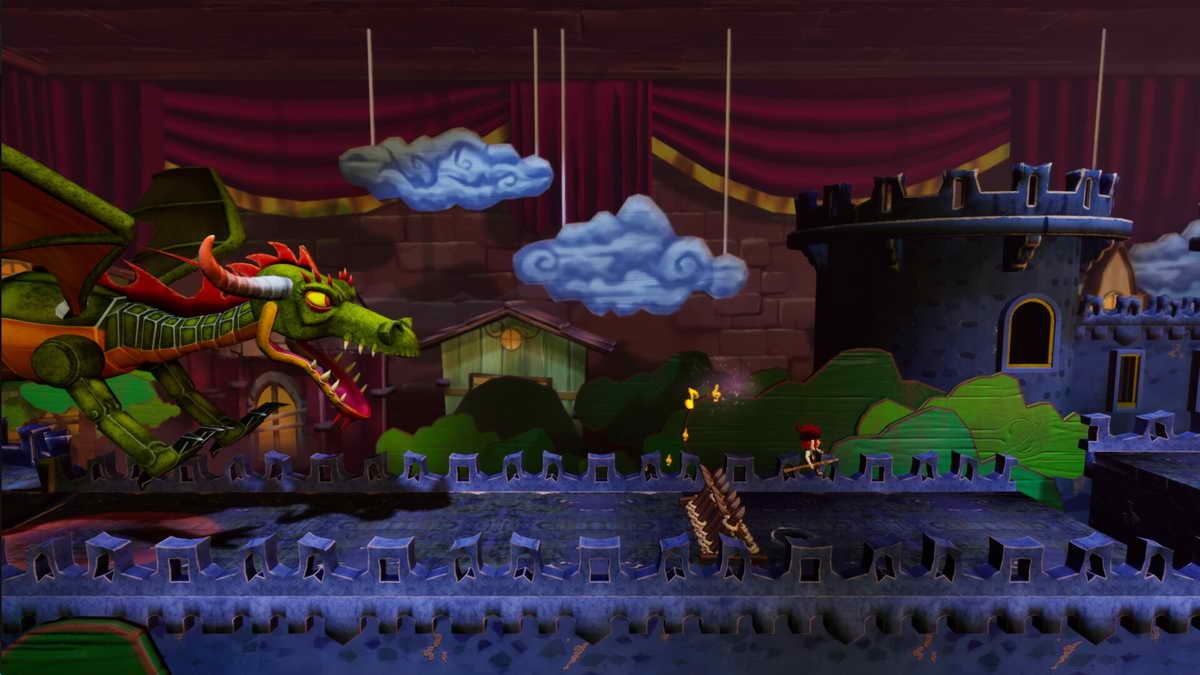
Developed by 3Cat and published by Jandusoft, Manairons is a 3D action-platformer rooted in Catalan folklore. Set in the Pyrenees, the game draws inspiration from regional myths about mischievous magical creatures known as manairons. Players take control of Nai, a recently awakened member of this species who emerges from a magical container known as the “canut” after centuries of confinement. With a local village falling under the control of an industrial-minded landowner named Llorenç, Nai’s quest becomes one of restoring balance by freeing fellow manairons and dismantling the machinery-driven chaos that has overtaken the once-peaceful settlement of Vilamont. The premise mixes humor, folklore, and environmental themes, giving the adventure a distinctive identity, even if the story itself remains fairly lightweight and largely serves as a framework for the platforming challenges ahead. Continue reading “Manairons review (PS5)”
Category: Games
Port roundup: Hunt the Night, Cryptical Path & Soulshard
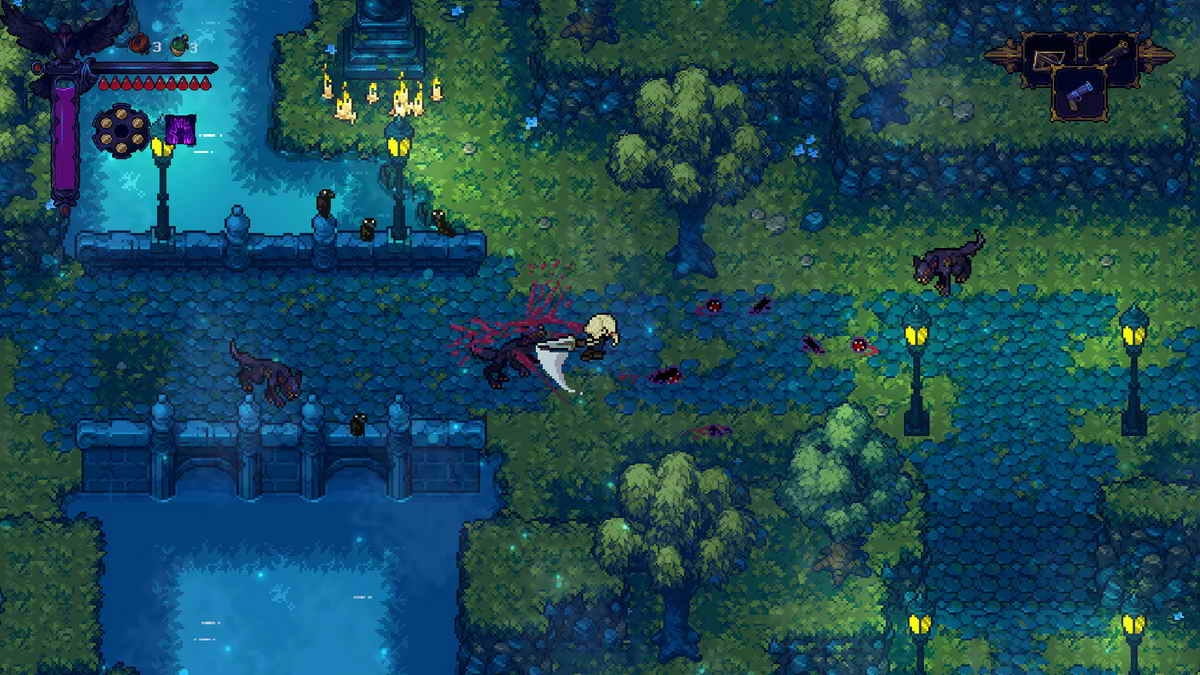
With the steady flow of indie titles making their way to new platforms, the PlayStation 5 continues to receive a diverse mix of smaller-scale projects that might have flown under the radar during their original releases. This roundup takes a look at three such games – Hunt the Night, Cryptical Path, and Soulshard – each bringing a very different flavor of gameplay to Sony’s console. From gothic action-RPG combat to experimental roguelite design and minimalist precision platforming, these ports highlight both the creativity and the occasional rough edges that often come with ambitious indie efforts. While none of them aim for blockbuster scale, each offers its own distinct ideas and atmosphere, making them interesting additions to the PS5’s growing indie library. Continue reading “Port roundup: Hunt the Night, Cryptical Path & Soulshard”
Planet of Lana II review (PS5)
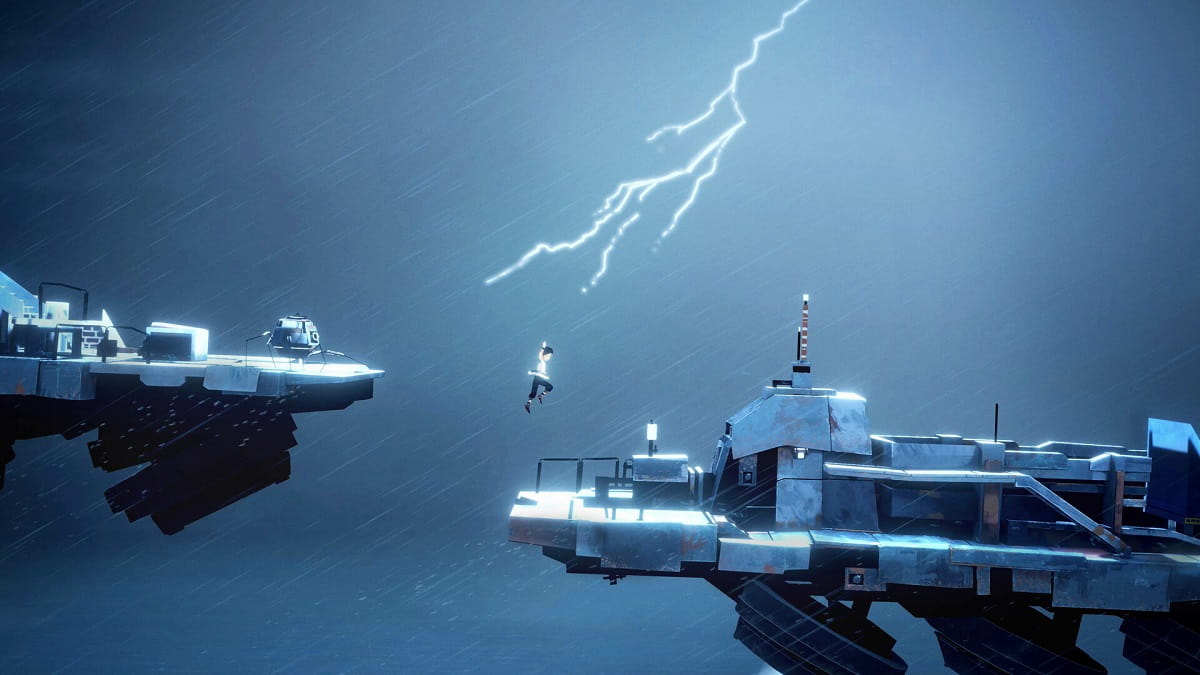
Planet of Lana II: Children of the Leaf is a rare sequel that doesn’t merely re-run the script of its predecessor, but refines it with purpose and heart. Picking up after the events of the first game, Lana and her four-legged companion Mui are propelled from a world just barely at peace into one shaped by deeper ecological imbalance and emergent existential threats. Whereas the original’s threat was distant and inscrutable, here it is personal: the sister-figure at the center of Lana’s life is stricken with a mysterious sickness and the cure lies scattered across varied territories, drawing the pair into landscapes both sublime and unforgiving. This narrative premise is elegantly woven without spoken dialogue, relying on body language and an invented tongue that invites active interpretation rather than spoon-feeding exposition. That choice reinforces a theme of subjective storytelling, though it can at times leave players craving a clearer emotional anchor. Continue reading “Planet of Lana II review (PS5)”
Legacy of Kain: Defiance Remastered review (PS5)
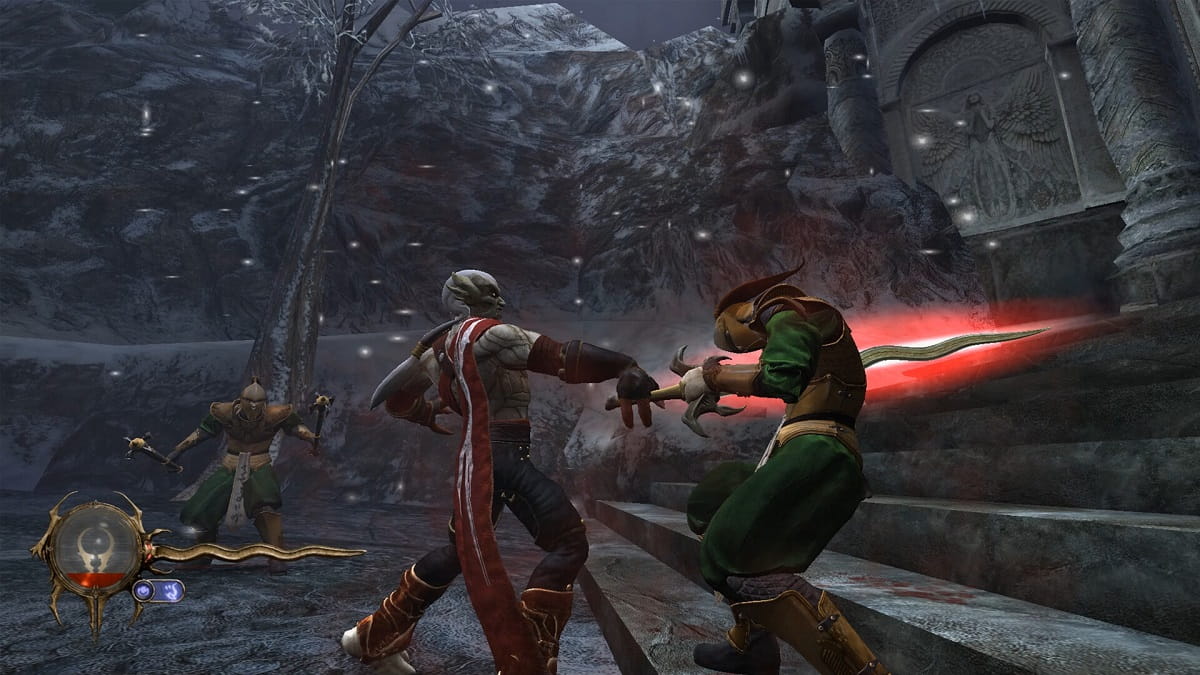
Crystal Dynamics’ Legacy of Kain: Defiance Remastered is, at its core, a love letter to a cult classic that spent nearly a quarter of a century languishing in technical purgatory. Where the original 2003 release was hampered by fixed cameras, dated controls and a pacing more rooted in the early 2000s than in 2026, this remaster aims – and largely succeeds – at reconciling the game’s ambitious narrative and gothic world with a modern console sensibility without betraying what made it distinctive in the first place. Continue reading “Legacy of Kain: Defiance Remastered review (PS5)”
City Hunter review (PS5)
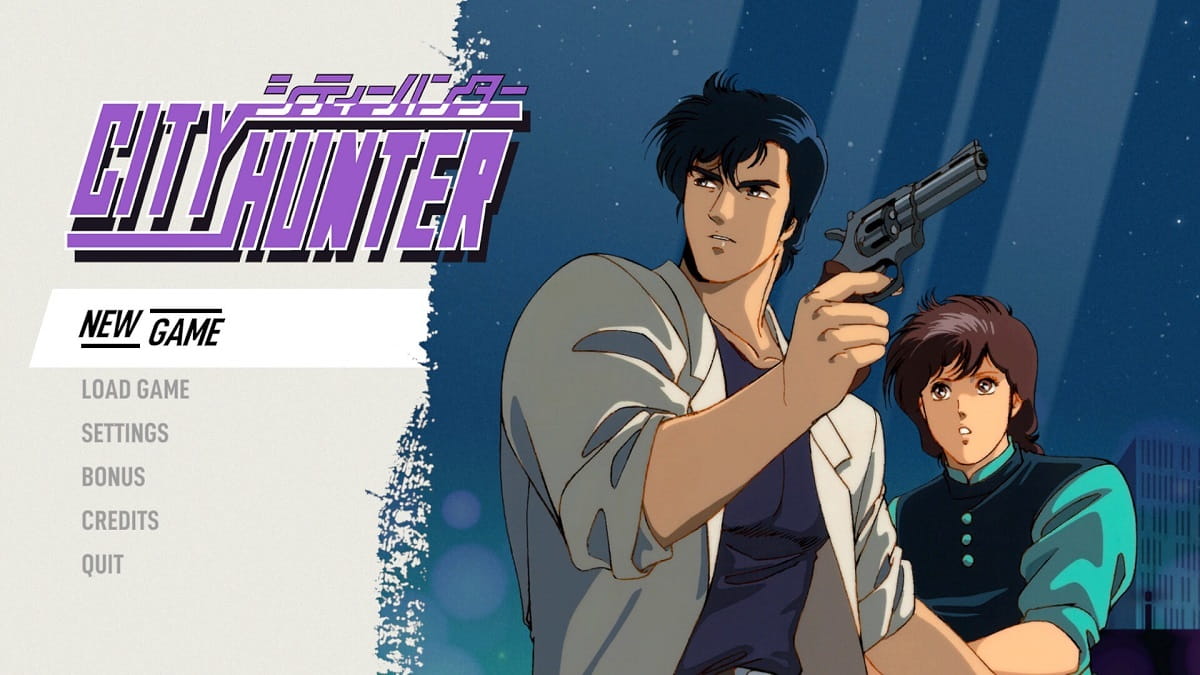
Three and a half decades after its original release, City Hunter’s return on modern hardware feels less like a triumphant rebirth and more like an invitation to an era that no longer exists. Anchored in the familiar milieu of Ryo Saeba – the self-styled “sweeper” of Shinjuku – the game places players squarely into a retro run-and-gun framework with light narrative dressing. Its premise, while faithful to the spirit of the manga and anime, hardly evolves beyond a sequence of text-driven vignettes that set up each of the four core cases Ryo tackles. There’s an earnestness in seeing familiar characters like Kaori and Umibozu appear, but the storytelling rarely goes deeper than functional exposition. For players who grew up with the franchise, these moments evoke nostalgia; for new players, they can feel perfunctory at best. Continue reading “City Hunter review (PS5)”
 Press Play Media