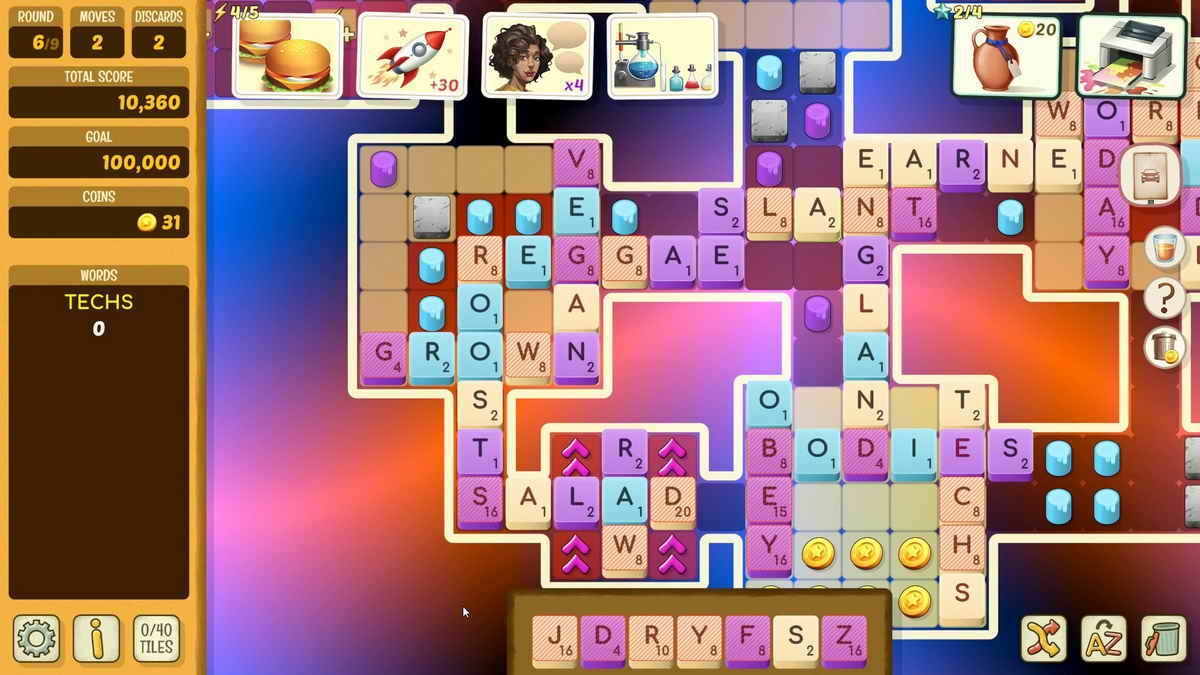
Beyond Words on PlayStation 5 is a new hybrid that merges word-building mechanics with roguelike progression systems, placing it in a relatively unexplored niche. Developed by MindFuel Games and published by PQube, it leans heavily into the idea of turning vocabulary into a strategic toolset rather than a passive puzzle mechanic. The result is a game that feels immediately familiar and Scrabble-like on the surface, yet steadily reveals layers of systemic depth as runs unfold. Its premise is light on traditional narrative framing, instead focusing on the evolving challenge structure and the player’s personal journey through increasingly complex boards and modifiers, which works well for its design but may leave those looking for a “campaign” somewhat underwhelmed. Continue reading “Beyond Words review (PS5)”
Category: New
Mega Man Star Force Legacy Collection review (Xbox)
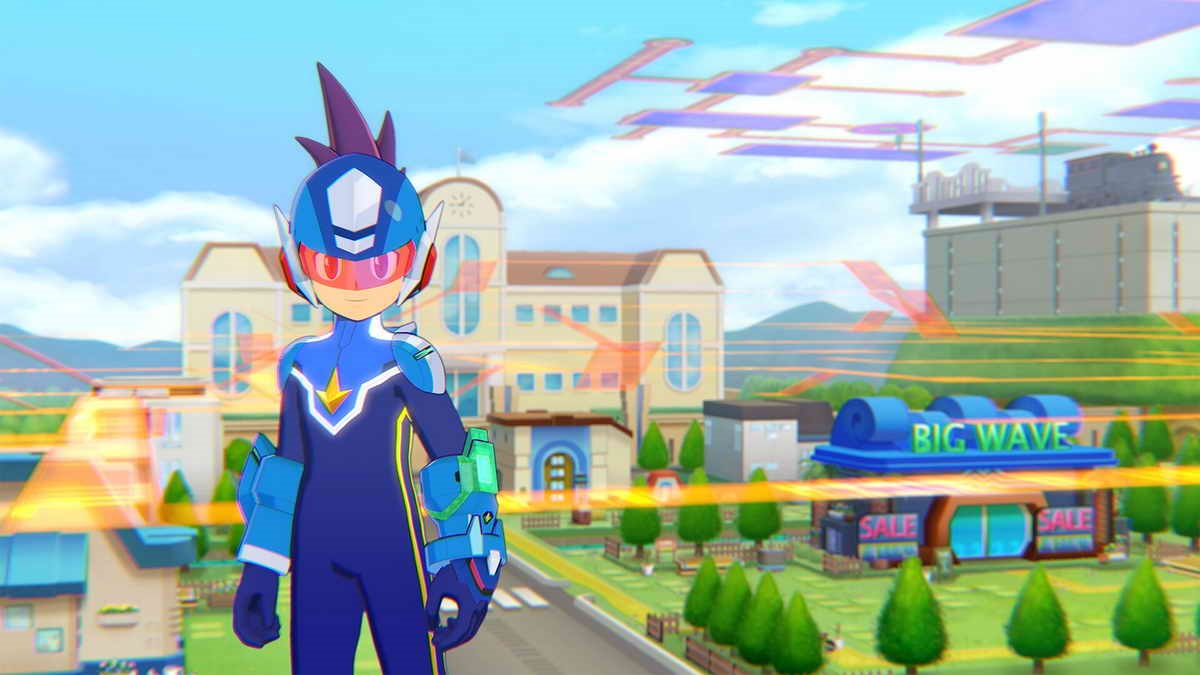
Mega Man Star Force Legacy Collection sees CAPCOM revisit one of the more experimental branches of the Mega Man franchise, bundling together seven Nintendo DS-era RPG hybrids that leaned heavily into narrative and transformation mechanics. Originally conceived as a successor to the Battle Network series, Star Force shifts its perspective both literally and figuratively, placing players in a 3D battlefield grid while telling a more introspective story centered around loss, isolation, and connection. As a preservation effort, the collection is comprehensive and respectful, but it also highlights the uneven legacy of a subseries that never quite reached the same heights as its predecessor. Continue reading “Mega Man Star Force Legacy Collection review (Xbox)”
Kromlech preview (PC)
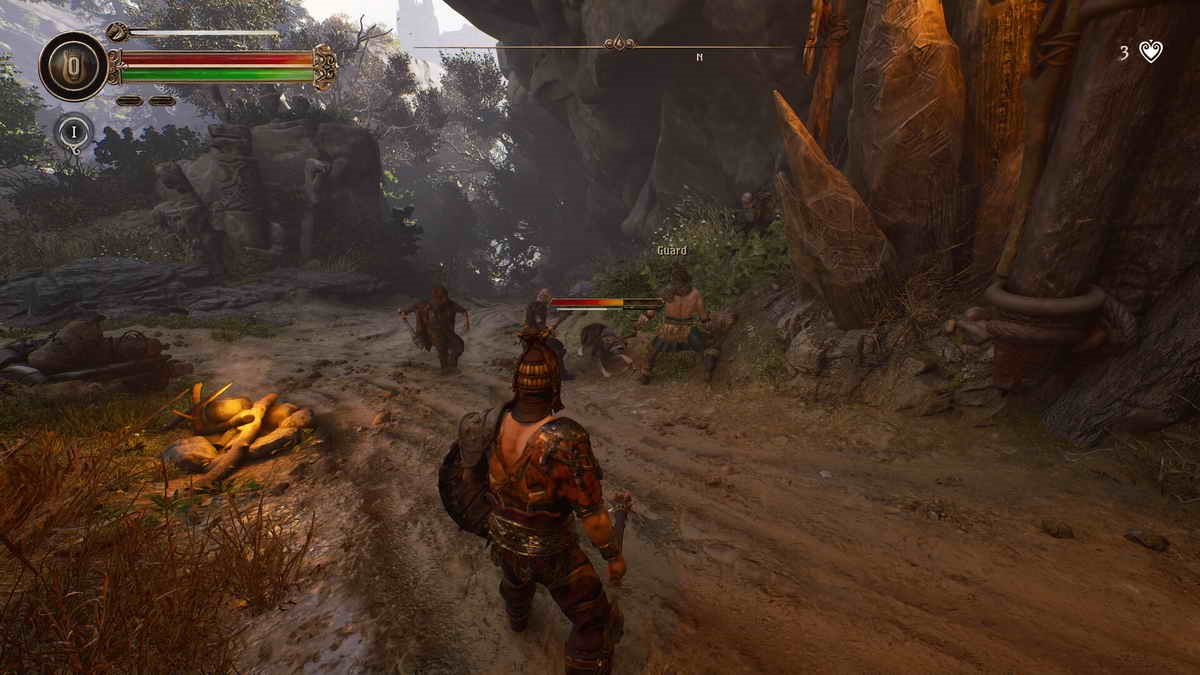
Perun Creative’s Kromlech is shaping up to be a deliberate throwback to a very specific era of RPG design – one where systems take precedence over spectacle, and player mastery is something that’s earned rather than granted. Drawing inspiration from early 2000s immersive RPGs while layering in modern rogue-lite sensibilities, it’s a project that wears its ambition openly. Based on its Early Access debut, that ambition is already visible, though not yet fully realized. Continue reading “Kromlech preview (PC)”
Indie roundup: The Coin Game, Living Dead House & Retro Drive: Revamped
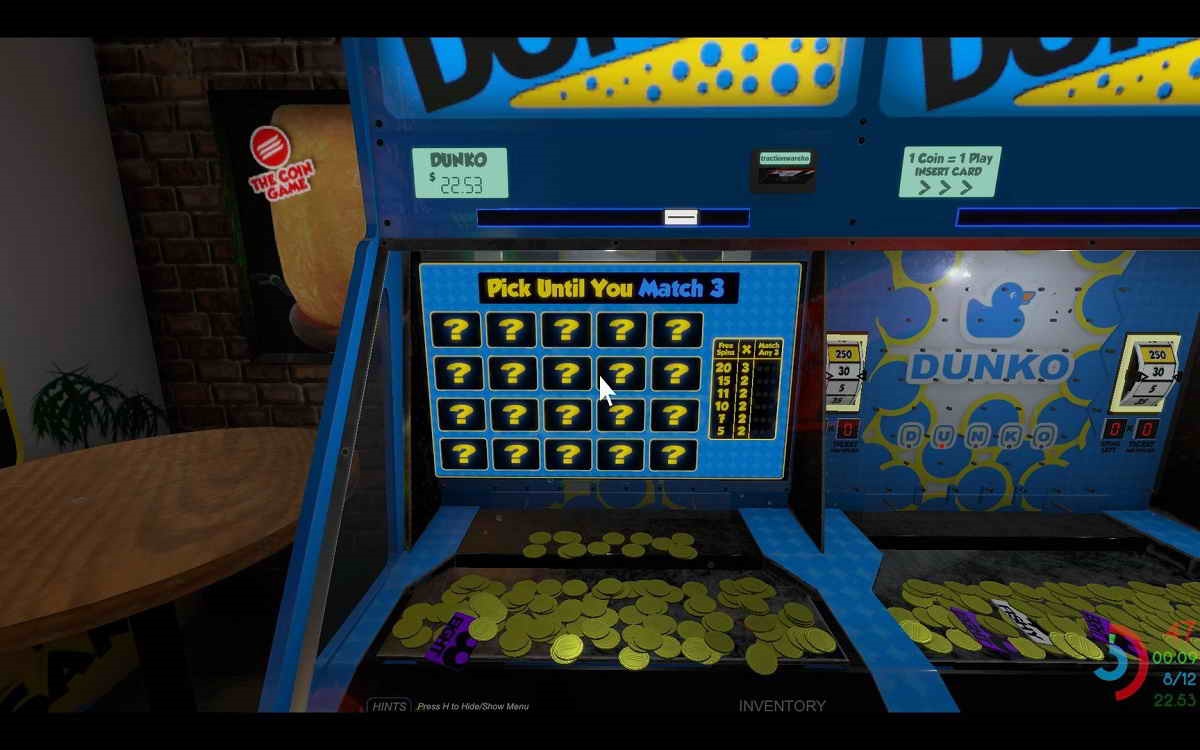
Indie releases rarely arrive in neat, uniform packages, and this latest batch is a good reminder of just how wide the spectrum can be. From the freeform, nostalgia-driven sandbox of The Coin Game to the stripped-back survival loops of Living Dead House and the high-speed precision of Retro Drive: Revamped, each title leans hard into a specific arcade-inspired identity while approaching it from a very different angle. What ties them together is a shared focus on immediacy – games built around quick engagement and repeatable loops – but the way they sustain that engagement varies significantly. Some rely on atmosphere and authenticity, others on challenge and score-chasing, and not all of them strike that balance equally well, making this a particularly varied lineup in both tone and staying power. Continue reading “Indie roundup: The Coin Game, Living Dead House & Retro Drive: Revamped”
Life is Strange: Reunion review (PS5)
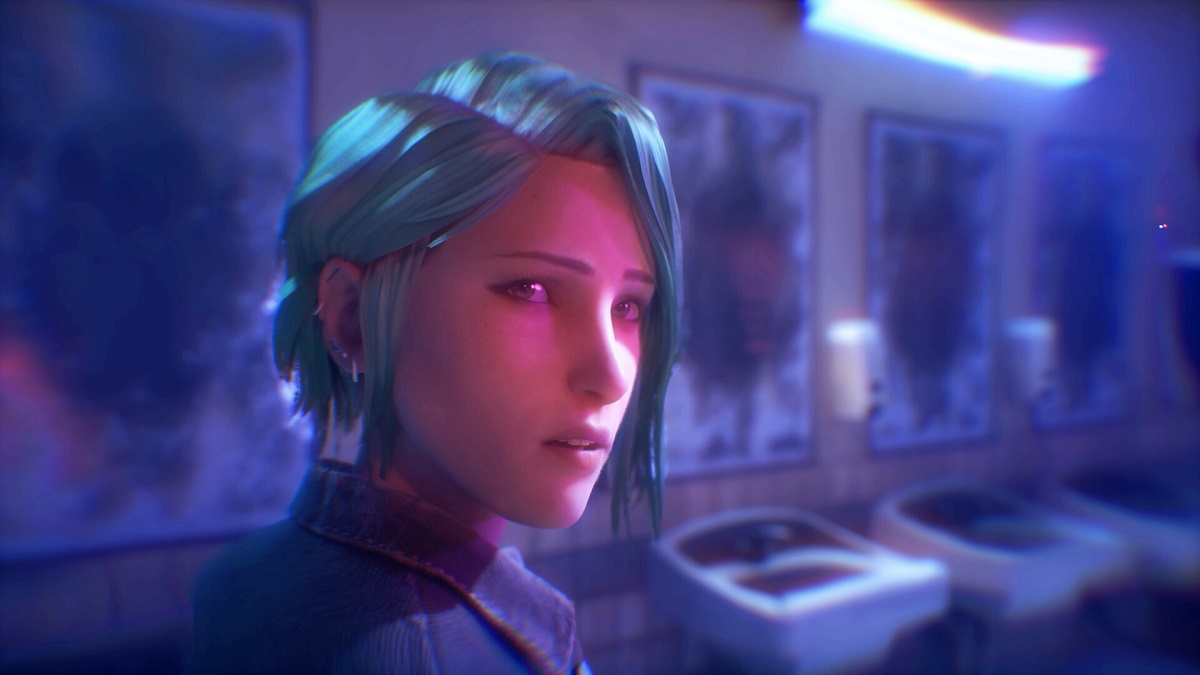
Returning to the world of Life is Strange has always been about more than revisiting characters – it’s about reconnecting with a tone, a rhythm, and a certain emotional vulnerability that few narrative-driven games manage to sustain. With Life is Strange: Reunion, Deck Nine Games and Square Enix attempt to bring closure to Max Caulfield and Chloe Price’s story, framing it as a high-stakes finale that blends supernatural tension with deeply personal conflict. Set against the looming threat of a catastrophic fire at Caledon University, the narrative leans heavily into themes of regret, memory, and consequence. While that setup carries immediate emotional weight, the execution doesn’t always match the ambition, occasionally struggling to balance spectacle with the grounded intimacy that defined earlier entries. Continue reading “Life is Strange: Reunion review (PS5)”
 Press Play Media